

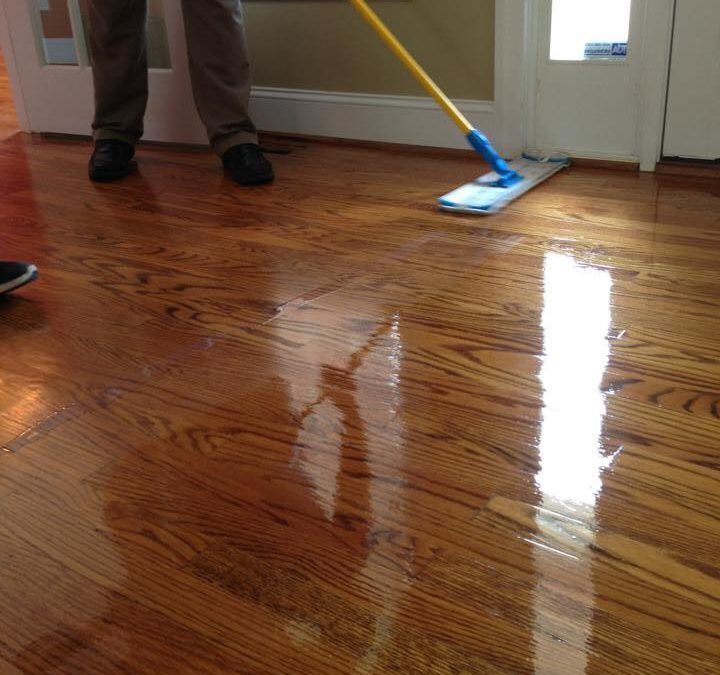
Water Damage Mitigation: Steps to Take Before Professionals Arrive
Water damage is a homeowner’s nightmare. It arrives unannounced, often at the most inconvenient times, and can escalate from a minor nuisance to a catastrophic event in a matter of hours. The moment you see a puddle spreading across your floor or a dark stain blooming on your ceiling, the clock starts ticking.
Acting quickly is essential not only to save your property but also to protect your wallet. Water is progressive; the longer it sits, the deeper it penetrates into structural materials like drywall and wood, leading to mold growth and structural instability. While professional restoration services are crucial for a full recovery, the steps you take in the immediate aftermath can significantly reduce the overall damage. This guide outlines what you can do to mitigate the situation safely before the experts at Terry’s Cleaning & Restoration arrive.
Safety First: Protecting Your Family and Home
Your instinct might be to rush in and start cleaning up the mess immediately. However, water damage environments can be deceptively dangerous. Before you dip a toe into a flooded room or reach for a mop, you must prioritize personal safety.
Electrical Hazards
Water and electricity are a lethal combination. If water has risen above electrical outlets or submerged extension cords on the floor, the risk of electrocution is high. Do not enter a room with standing water until you are certain the power has been turned off. If the main breaker panel is located in the flooded area, do not attempt to reach it yourself. Call an electrician or your utility company to cut the power remotely or safely.
Structural Integrity
Water adds significant weight to building materials. If the damage is coming from a ceiling or an upper floor, be wary of sagging drywall. Saturated ceilings can collapse without warning. Keep family members and pets away from areas where the structural integrity might be compromised.
Contaminated Water
Not all water is the same. Water from a burst supply pipe is generally clean (Category 1). However, water from a backed-up sewage line or floodwaters from outside (Category 3) contains harmful bacteria and pathogens. If you suspect the water is contaminated, do not attempt to clean it yourself. Wait for professionals who have the proper personal protective equipment (PPE).
Even if the water appears clean, it is wise to wear protective gear. Rubber gloves and waterproof boots will protect you from potential slips, sharp objects hidden under the water, and minor contaminants.
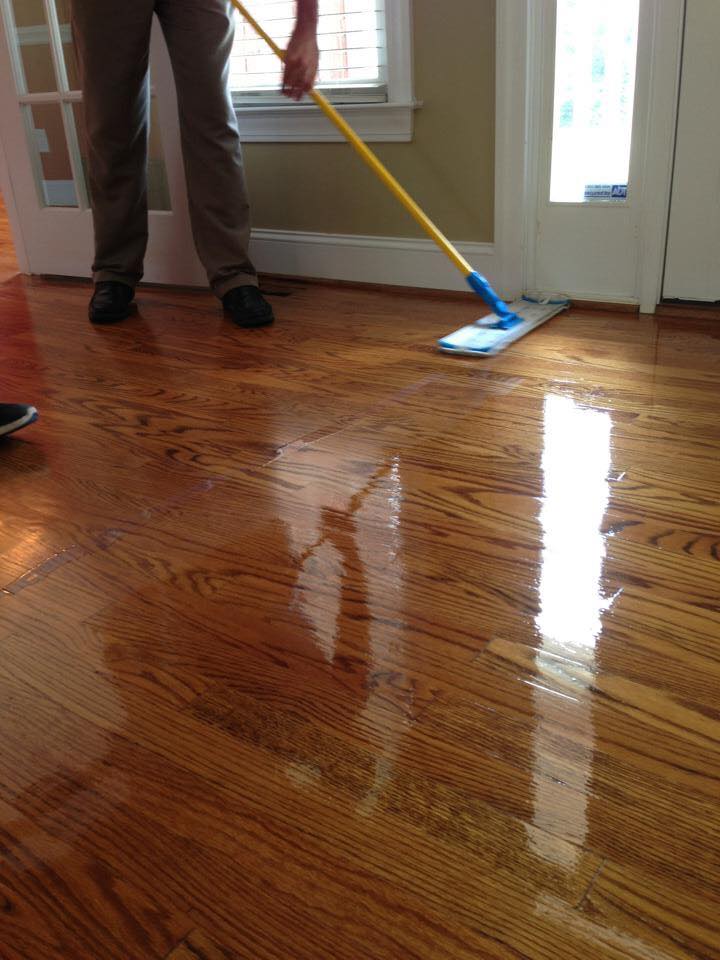
Water Damage Restoration Expert
Stop the Source of Water
Once you have established that the area is safe to enter, your primary goal is to stop the influx of water. You cannot begin to mitigate the damage if the problem is still active.
Shut Off the Main Valve
If the source is a burst pipe or a plumbing failure, locate your home’s main water shut-off valve immediately. This is typically found in the basement, a utility closet, or sometimes in the garage near the water heater. Turning this valve clockwise should cut the water supply to the entire house, stopping the flow.
Isolate Appliances
If the leak originates from a specific appliance, such as a washing machine or dishwasher, you may be able to shut off the isolation valve behind the unit without turning off water to the whole house.
Temporary Fixes
For roof leaks during a storm, place buckets or large containers under the drip to catch the water. If safe to do so, you might use a tarp to cover the affected area inside the attic. However, never climb onto a wet roof during a storm.
If you cannot identify the source of the water, or if the valve is stuck, don’t panic. Terry’s Cleaning & Restoration specializes in leak detection. Our team can quickly identify the origin of the problem and ensure the water is stopped permanently upon arrival.
Remove Excess Water
With the water source stopped and safety confirmed, you can begin the process of physical water removal. The goal here is to reduce the volume of standing water to prevent it from soaking deeper into subfloors and walls.
Manual Removal
For manageable amounts of water, old-fashioned methods are effective. Use buckets to bail out water and pour it down a working drain (away from the affected area) or outside. Mops and heavy-duty towels can soak up residual puddles. Wring them out frequently and continue until the bulk of the water is gone.
Using a Wet/Dry Vacuum
If you own a wet/dry vacuum (often referred to as a Shop-Vac), this is an excellent tool for extracting water from carpets and hard floors. Ensure the filter is removed (as per the manufacturer’s instructions for wet pickup) before you begin.
What to Avoid
Never use a standard household vacuum cleaner to remove water. Regular vacuums are not designed for liquids; trying to use one will likely ruin the machine and could cause a severe electrical shock.
While these DIY methods help, they rarely remove all the moisture. Water often seeps into carpet padding and behind baseboards where you can’t reach. Terry’s Cleaning & Restoration utilizes industrial-grade submersible pumps and truck-mounted extraction units to remove thousands of gallons of water quickly and thoroughly, ensuring no hidden moisture remains.
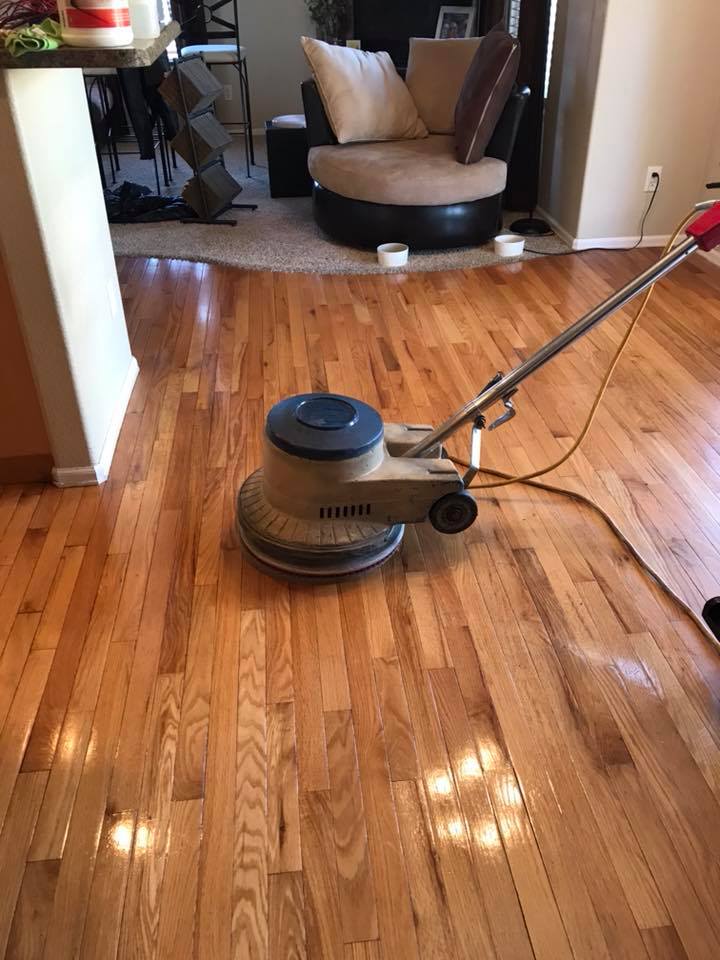
Water Damage Restoration
Protect Your Belongings
Water moves fast, and it can wick up into furniture and personal items quickly. Protecting your possessions is a key step in mitigation.
Move What You Can
Prioritize smaller, valuable items. Remove electronics, books, loose rugs, and clothing from the wet area immediately. Take them to a dry room or a garage.
Furniture Protection
Large furniture pieces, such as sofas, beds, and heavy wooden tables, may be too heavy to move on your own. If you cannot move them, you can still protect them. Place squares of aluminum foil, wood blocks, or even plastic saucers under the legs of the furniture. This creates a barrier between the wet carpet or floor and the furniture leg. This simple step prevents wood stain from leaching onto your carpet (which creates permanent stains) and stops the water from wicking up into the furniture, causing rot or warping.
Curtains and Skirts
Lift draperies and furniture skirts off the wet floor. You can loop curtains through a coat hanger and hang them on the curtain rod to keep the fabric high and dry.
Handling High-Value Items
If items like family photo albums, important documents, or artwork have gotten wet, handle them with extreme care. They are fragile when saturated. Do not try to peel apart wet pages or photos, as this will cause irreparable damage. Terry’s Cleaning & Restoration offers specialized content restoration services. We can often freeze-dry documents and use specialized techniques to salvage items that might seem lost.
Ventilate and Dry the Area
Mold can begin to grow on damp surfaces within 24 to 48 hours. Kickstarting the drying process helps inhibit this growth and reduces the humidity in the room.
Airflow is Key
If the weather permits (low humidity and no rain), open windows and doors to create a cross-breeze. This helps exchange the humid indoor air with drier outdoor air.
Fans and Dehumidifiers
Utilize any portable fans you have in the house. Position them to blow air across the wet surfaces, not just directly at them. The goal is to circulate air to aid evaporation. If you have a home dehumidifier, run it in the affected room to pull moisture from the air.
Temperature Control
In the summer, air conditioning is your friend; it acts as a powerful dehumidifier. In the winter, you might be tempted to crank up the heat. Be careful. While warmth aids evaporation, excessive heat combined with moisture can create a tropical environment that accelerates mold growth. Moderate temperatures are usually best until professionals arrive.
Professional Drying
Household fans are helpful, but they lack the power to dry structural elements effectively. Terry’s Cleaning & Restoration deploys industrial air movers and desiccant dehumidifiers. These machines create a controlled environment that pulls moisture from deep within drywall, concrete, and hardwood, ensuring the structure is dry to industry standards.
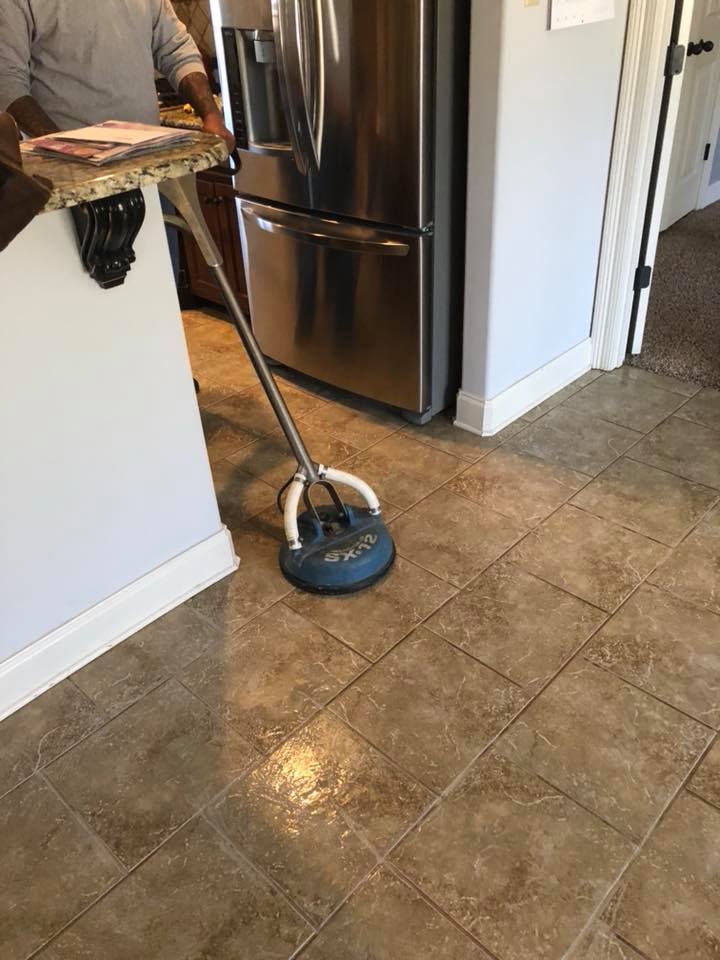
Water Damage Restoration Specialist
Document the Damage for Insurance
Dealing with insurance claims is often the most tedious part of water damage recovery. Comprehensive documentation is your best asset when filing a claim.
Visual Evidence
Before you move too many items or throw anything away, take photos and videos. Capture the source of the water, the standing water levels, and detailed shots of every damaged item. Open cupboards and drawers to photograph the contents if they are affected.
Inventory List
Create a written inventory of damaged items. Note the brand, model, age, and approximate value of each item. If you have receipts, gather them. This list will be invaluable when the adjuster assesses your claim.
Keep Damaged Items
Do not throw away ruined items immediately. Your insurance adjuster may need to inspect them to verify the loss. If you must remove them from the house due to health concerns (like a soaked mattress), keep a swatch of the fabric or take extensive photos before disposal.
Terry’s Cleaning & Restoration works directly with major insurance companies. We are familiar with the documentation required and can assist you in navigating the claims process, providing the detailed technical reports that adjusters need.
What Not to Do: Common Mistakes to Avoid
In the haste to fix things, homeowners often make mistakes that can worsen the damage or put their safety at risk. Here is a checklist of what not to do:
- Don’t use newspapers: Do not lay down newspaper to walk on. The ink transfers easily when wet, leaving permanent stains on carpets and floors.
- Don’t use the ceiling fixtures: If the ceiling is wet, do not turn on ceiling fans or lights. The wiring could be wet, posing a fire or shock hazard.
- Don’t overheat the room: As mentioned, avoid cranking the heat too high (above 75 degrees Fahrenheit), as this encourages microbial growth.
- Don’t force drying: Do not attempt to use a hair dryer on damp carpet or upholstery. It is ineffective and can cause scorching.
- Don’t rip up permanent fixtures: Avoid pulling up wall-to-wall carpet or removing drywall unless you know exactly what you are doing. Improper removal can damage the subfloor or release asbestos and mold spores into the air. Leave the demolition to the professionals.
Call Terry’s Cleaning & Restoration for Expert Help
Taking these mitigation steps can significantly reduce the severity of water damage, but they are not a substitute for professional restoration. Water has a way of hiding in places the naked eye cannot see—behind cabinets, under floorboards, and inside wall cavities. Without professional extraction and drying, this hidden moisture leads to structural rot and mold colonies that compromise your home’s air quality.
When disaster strikes, you need a partner you can trust. Terry’s Cleaning & Restoration offers fast, reliable, and comprehensive service to bring your home back to pre-loss condition. We use state-of-the-art thermal imaging to locate hidden moisture and hospital-grade antimicrobials to ensure your home is safe and sanitized.
Don’t face water damage alone. Acting quickly is the best way to save your home and your wallet.
Contact Terry’s Cleaning & Restoration today for 24/7 emergency water damage assistance.
Terry’s Carpet Cleaning – Cleveland
https://www.google.com/maps?cid=3599337546590963590
1916 Hemlock Ct, Goshen, IN 46528
(574) 533-5626
https://terryscarpetcleaning.com/