

Emergency Carpet Cleaning After Pets, Spills, or Floods: Who to Call First
A soaked carpet is a water damage restoration emergency, not a DIY job.
We have all been there. You watch in slow motion as a glass of red wine tips over, a new puppy squats in the corner of the living room, or you come home to find a burst pipe has turned your hallway into a swamp. Panic sets in immediately. You know that the clock is ticking and the life of your carpet hangs in the balance.
Carpet emergencies are stressful, messy, and often expensive if mishandled. While minor mishaps are a part of life, how you react in the first few minutes determines whether your flooring can be saved or if it’s destined for the landfill. While some issues can be managed with a calm head and a clean towel, others require the heavy-duty intervention of experts. When the situation spirals out of control, Terry’s Cleaning & Restoration is the partner you need to restore your home to normal.
Why Time is of the Essence in Carpet Emergencies
When liquid hits a carpet, it doesn’t just sit on the surface. Gravity takes over immediately. The liquid seeps past the visible fibers (the pile) and penetrates the backing, eventually soaking into the padding underneath. In severe cases, it can even reach the subfloor.
Once moisture reaches the padding, it becomes incredibly difficult to remove without specialized equipment. This trapped moisture creates a perfect breeding ground for mold and mildew, which can begin to grow in as little as 24 to 48 hours. Aside from the health risks associated with mold, the structural integrity of the carpet weakens the longer it stays wet.
Furthermore, stains act chemically. The longer a substance like wine, coffee, or pet urine sits on the fiber, the higher the chance it will permanently dye the material. Acting fast stops the migration of the liquid and prevents the chemical bonding process that leads to permanent discoloration.
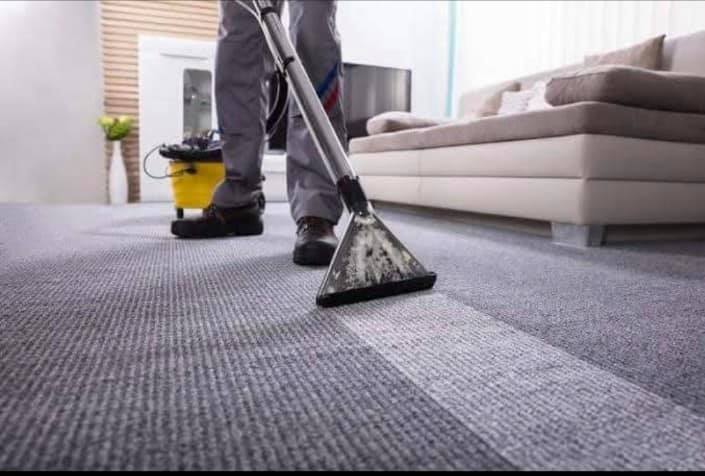
Emergency Carpet Cleaning Service
Step-by-Step Guide for Immediate Action After a Spill
Panic leads to scrubbing, and scrubbing leads to frayed fibers. When a spill happens, take a deep breath and follow this triage protocol to stabilize the situation before calling in the pros.
Remove the Solids
If the spill involves solid matter—like food, vomit, or potting soil—do not wipe it. Wiping drives the solids deeper into the pile. Instead, use a spoon or a dull knife to gently lift the solids away from the fibers.
The Golden Rule: Blot, Don’t Rub
Aggressive scrubbing creates heat and friction. This can untwist the carpet fibers, leaving them fuzzy and distorted permanently. It can also force the stain deeper into the pad. Take a clean, dry, white cloth or a stack of paper towels and press down firmly. Use your body weight. Step on the towels if necessary. The goal is to transfer the liquid from the carpet to the towel through absorption.
Use White Cloths Only
Always use a white or non-patterned towel. If you use a colorful rag to clean a spill, the dye from the rag can bleed onto the carpet, creating a secondary stain that is often harder to remove than the original one.
Rinse with Caution
If the stain remains, apply a small amount of cool water. Do not flood the area. Blot again. If you must use a cleaning solution, use a pH-neutral spotter or a simple mix of clear dish soap and water. Avoid high-alkaline specialized carpet cleaners found in grocery stores unless you are certain they are safe for your specific carpet fiber type (nylon, wool, and polyester all react differently).
Know When to Stop
If the stain is not transferring to the cloth anymore, stop. If the spill involves chemicals like bleach, ink, or hair dye, standard blotting may not work. At this stage, covering the area with a damp white towel and calling Terry’s Cleaning & Restoration is the safest route. We can apply specialized neutralizing agents that stop the chemical reaction before it strips the color from your floor.
Dealing with Pet Accidents: Odor and Stain Removal
Our furry friends are part of the family, but their accidents pose a unique chemical challenge to textiles. Urine is not just a stain; it is a complex organic compound.
When a pet urinates on the carpet, the liquid is initially acidic. As it dries, it becomes alkaline and forms uric acid crystals. These crystals are insoluble in water and bind tightly to the fibers and padding. This is why humidity often triggers the smell of old pet accidents—the moisture in the air reactivates the crystals.
The Limitations of DIY Pet Cleaning
Most store-bought pet sprays are deodorizers or mild detergents. They clean the surface and mask the smell with heavy perfumes, but they rarely penetrate the padding to break down the uric salts. You might not smell it, but your pet still can, which often encourages them to mark the same spot again.
Furthermore, biological messes like feces or vomit contain bacteria. Cleaning them with hot water without proper extraction can create a warm, damp environment where bacteria thrive.
How Terry’s Cleaning & Restoration Handles Pets
We approach pet accidents with enzymes, not just soap. Our specialized treatments use bio-enzymatic cleaners that digest the organic matter and uric crystals at a molecular level. Combined with our sub-surface extraction tools, we can flush the contaminants out of the padding without having to pull up the carpet. This restores the hygiene of your home and effectively removes the pheromones that trigger repeat offenses.
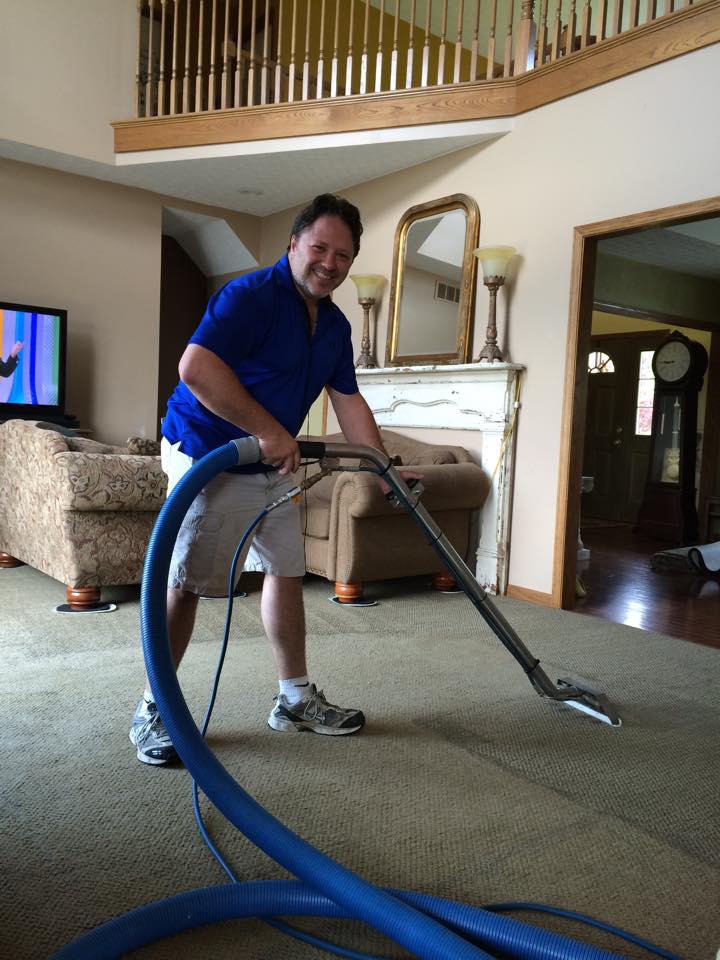
Emergency Carpet Cleaning Expert
Flooded Carpets: When to Call a Professional Immediately
A spilled glass of water is an annoyance; a flooded basement is a crisis. Flooding can originate from three categories of water, and knowing the difference is vital for safety.
- Clean Water: From a broken supply line or a rain-soaked window. This is the easiest to salvage if treated immediately.
- Gray Water: From a washing machine overflow or dishwasher. This contains detergents and some biological contaminants.
- Black Water: From sewage backups or rising floodwaters from outside. This water is grossly unsanitary and dangerous.
If your carpet is saturated with Black Water, it cannot be saved. The health risks are too high, and the carpet and pad must be removed and disposed of.
For Clean or Gray water floods, however, restoration is possible—but the clock is ticking. A shop vacuum is generally not powerful enough to remove water from the padding. You might get the surface dry, but the moisture trapped underneath will begin to rot the subfloor and encourage mold growth within two days.
Terry’s Cleaning & Restoration utilizes industrial-grade water claw extractors and truck-mounted vacuum units. These machines generate enough lift to pull water straight through the carpet and pad from the subfloor up. Once the bulk water is removed, we deploy high-velocity air movers and industrial dehumidifiers to return the humidity levels of the room to normal, ensuring the structure of your home remains sound.
DIY vs. Professional Carpet Cleaning: How to Decide
Homeowners often struggle with the decision of whether to rent a machine or hire a pro. There is a time and place for both.
When to DIY:
- Maintenance Cleaning: If you are just looking to freshen up a hallway that sees moderate traffic.
- Surface Dirt: Mud tracked in from the garden or dusty footprints.
- Small, Known Spills: A spilled soda that was blotted up immediately and didn’t soak the pad.
When to Call Terry’s Cleaning & Restoration:
- Deep Saturation: Any spill large enough to soak into the padding.
- Biological Waste: Pet accidents, blood, or sewage.
- Unknown Stains: Buying a house with existing stains? You don’t know what caused them or what chemistry is required to remove them.
- Delicate Fibers: If you have wool, silk, or specialty area rugs. These can be ruined by the high heat and high pH of rental machines.
- Flooding: Any standing water requires professional extraction equipment.
Rental machines often lack the vacuum power to recover all the water they put down. This leaves the carpet damp for days, leading to the “wet dog” smell and potential mildew issues. Professional equipment recovers up to 95% of the moisture used, resulting in dry times of just a few hours.
Emergency Carpet Cleaning
What Sets Terry’s Cleaning & Restoration Apart
In a carpet emergency, you need more than a person with a van; you need a technician with training. Terry’s Cleaning & Restoration has built a reputation on reliability and technical expertise.
We do not believe in a “one size fits all” cleaning method. Our technicians analyze the fiber type (synthetic vs. natural) and the nature of the soil or stain before mixing a custom cleaning solution. We understand the chemistry of stains—knowing that red wine requires an acidic rinse while grease requires an alkaline emulsifier.
Our equipment represents the gold standard in the industry. Our truck-mounted units maintain consistent high heat, which boosts carpet cleaning efficiency, and our powerful vacuum blowers ensure your carpets are not left sopping wet. We treat your home with respect, using corner guards to protect your walls and furniture blocks to prevent rust stains from metal table legs.
Be Prepared for Carpet Emergencies
Carpet disasters are rarely planned. They happen during holiday parties, in the middle of the night, or right before the in-laws arrive. While your quick reaction with a white towel and cool water is the first line of defense, knowing when to call for backup is the key to saving your floors.
Ignoring a deep spill or a pet accident can lead to permanent damage, lingering odors, and costly replacements. By partnering with a professional service, you extend the life of your carpet and ensure a healthy indoor environment for your family.
Don’t wait until the water is rising or the stain has set. Save the contact information for Terry’s Cleaning & Restoration in your phone today. Whether it is a midnight flood or a stubborn pet stain, we have the tools and the training to turn a disaster back into a beautiful home.
Terry’s Carpet Cleaning – Cleveland
https://www.google.com/maps?cid=3599337546590963590
1916 Hemlock Ct, Goshen, IN 46528
(574) 533-5626
https://terryscarpetcleaning.com/