

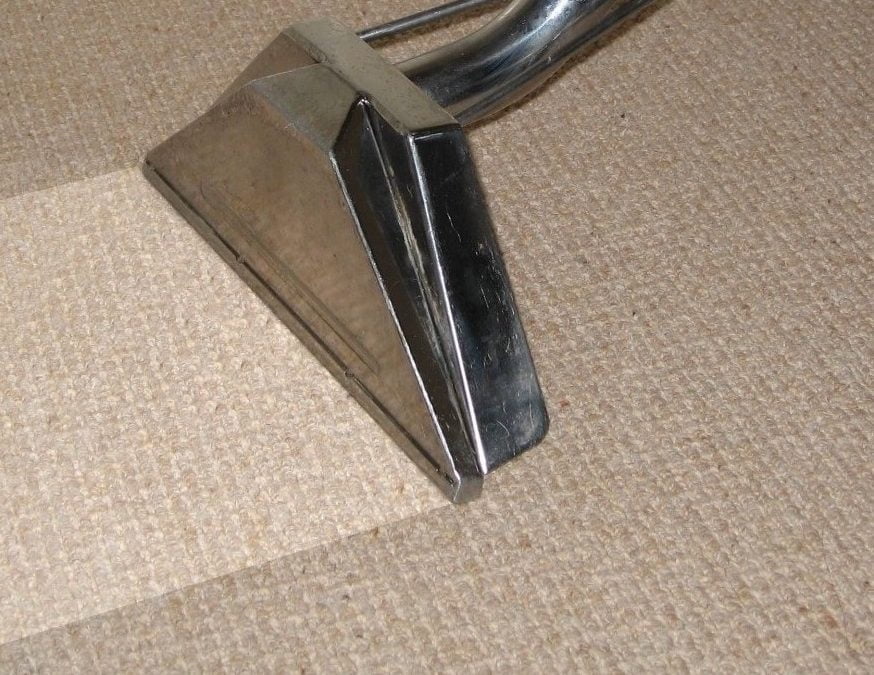
Emergency Carpet Cleaning After Water Damage: Why Speed Is Critical
Water damage can happen in an instant. A burst pipe, a flooded basement, or a leaking appliance—and suddenly, your carpet is soaked through. What happens in the hours that follow determines whether your carpet can be saved or needs to go straight to the curb.
Most homeowners assume they have time to figure things out. The truth is, water-damaged carpets deteriorate faster than you might expect. Mold can begin growing within 24 to 48 hours, and structural damage to floors beneath the carpet can set in just as quickly. Acting fast isn’t just smart—it’s the difference between a restoration job and a full replacement.
This guide walks you through everything you need to know about emergency carpet cleaning after water damage: the hidden dangers, the critical response window, and exactly what steps to take to protect your home and health.
The Immediate Dangers of Water Damage to Carpets
Water doesn’t just make your carpet wet. It works its way through the fibers, soaks into the padding, and seeps into the subfloor. What looks like surface moisture is often a much deeper problem.
The type of water involved matters enormously. Clean water from a burst supply pipe is far less hazardous than gray water from a washing machine overflow or black water from a sewage backup. Contaminated water carries bacteria, pathogens, and chemicals that make the carpet unsafe to walk on, let alone save without professional treatment.
Even clean water causes structural damage quickly. Wood subfloors absorb moisture and begin to swell, buckle, and warp. Carpet glue dissolves. The carpet backing separates from the fibers. What started as a wet floor becomes a structural headache if ignored for too long.
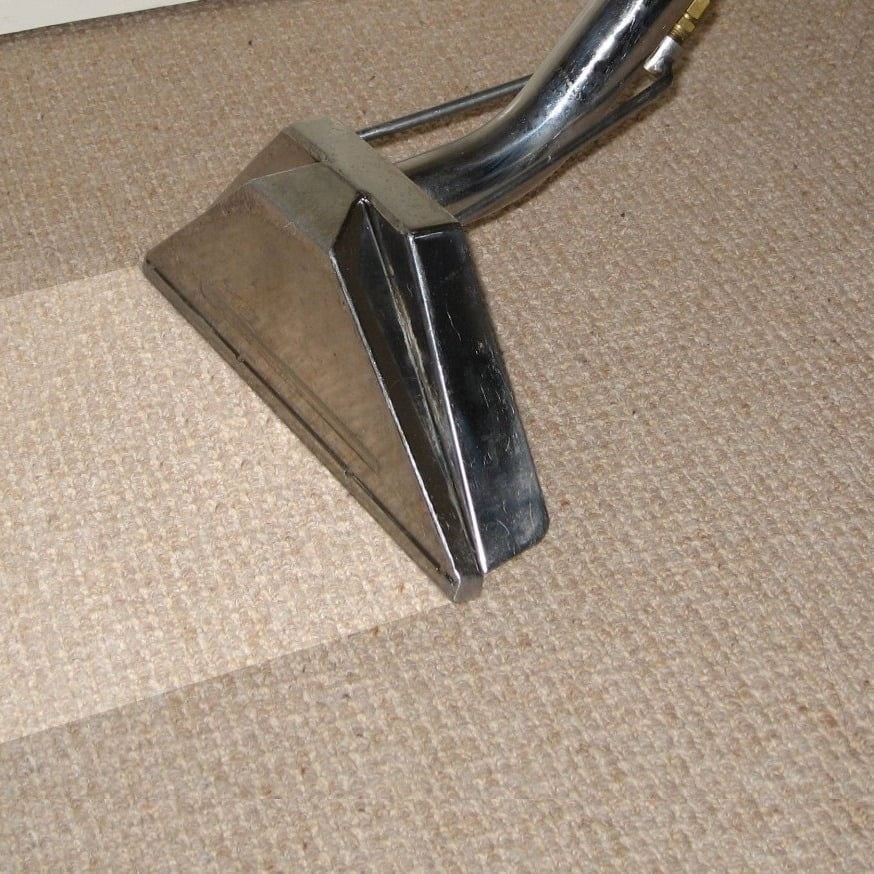
Emergency Carpet Cleaning Service
Why the First 24–48 Hours Are Critical
The 24 to 48-hour window following water damage is widely recognized as the most critical period for carpet restoration. After that threshold, the conditions inside a saturated carpet become ideal for mold and mildew growth—and the damage becomes exponentially harder to reverse.
Within the first few hours, water continues spreading laterally through carpet fibers and padding. The longer it sits, the wider the affected area grows. Humidity levels in the room rise, accelerating the deterioration of walls, baseboards, and flooring materials nearby.
Prompt extraction and drying during this window gives restoration professionals the best chance of salvaging your carpet, preventing microbial growth, and avoiding costly structural repairs. Every hour of delay narrows that window further.
Health Risks of Mold and Mildew Growth
Mold spores are present in virtually every indoor environment, but they need moisture to activate. A soaked carpet is a perfect breeding ground—warm, dark, and full of organic material for mold to feed on.
Once mold takes hold in carpet fibers, it spreads rapidly. It’s not always visible, either. Mold growing in the padding or beneath the carpet can go undetected for weeks while occupants experience respiratory symptoms, allergic reactions, and skin irritation.
Prolonged mold exposure can cause more serious health complications, particularly for children, the elderly, and individuals with asthma or immune conditions. Beyond health concerns, mold infestations can render carpet completely unsalvageable and may require remediation of surrounding walls and flooring—turning a manageable restoration into a major renovation.
The musty odor that comes with mold isn’t just unpleasant. It’s a warning sign that your home’s air quality has been compromised.
Step-by-Step Emergency Response for Homeowners
Prioritize safety first
Turn off electricity to the affected area before entering. Standing water and live electricity are a lethal combination. If flooding is extensive or you suspect sewage contamination, evacuate the area and wait for professionals.
Identify and stop the water source
If the water damage stems from a burst pipe, appliance leak, or overflowing fixture, shut off the water supply immediately. Continuing water flow will make any restoration effort futile.
Remove standing water
Use a wet/dry vacuum to extract as much water as possible from the surface of the carpet. The more water you remove early, the better. Mops and towels can help, but they won’t get deep into the padding.
Lift furniture off the carpet
Move furniture off wet carpet immediately. Heavy furniture sitting on wet fibers causes staining and puts additional pressure on already compromised subfloors. Place aluminum foil or wooden blocks under furniture legs if it can’t be moved entirely.
Increase airflow
Open windows and doors where possible. Run fans and dehumidifiers to help lower the ambient moisture level. While this won’t replace professional drying equipment, it helps slow down the deterioration process while you wait for help.
Document the damage
Take photos and videos of everything before you begin cleaning up. This documentation is essential for insurance claims and gives restoration professionals a clear picture of the extent of the damage.
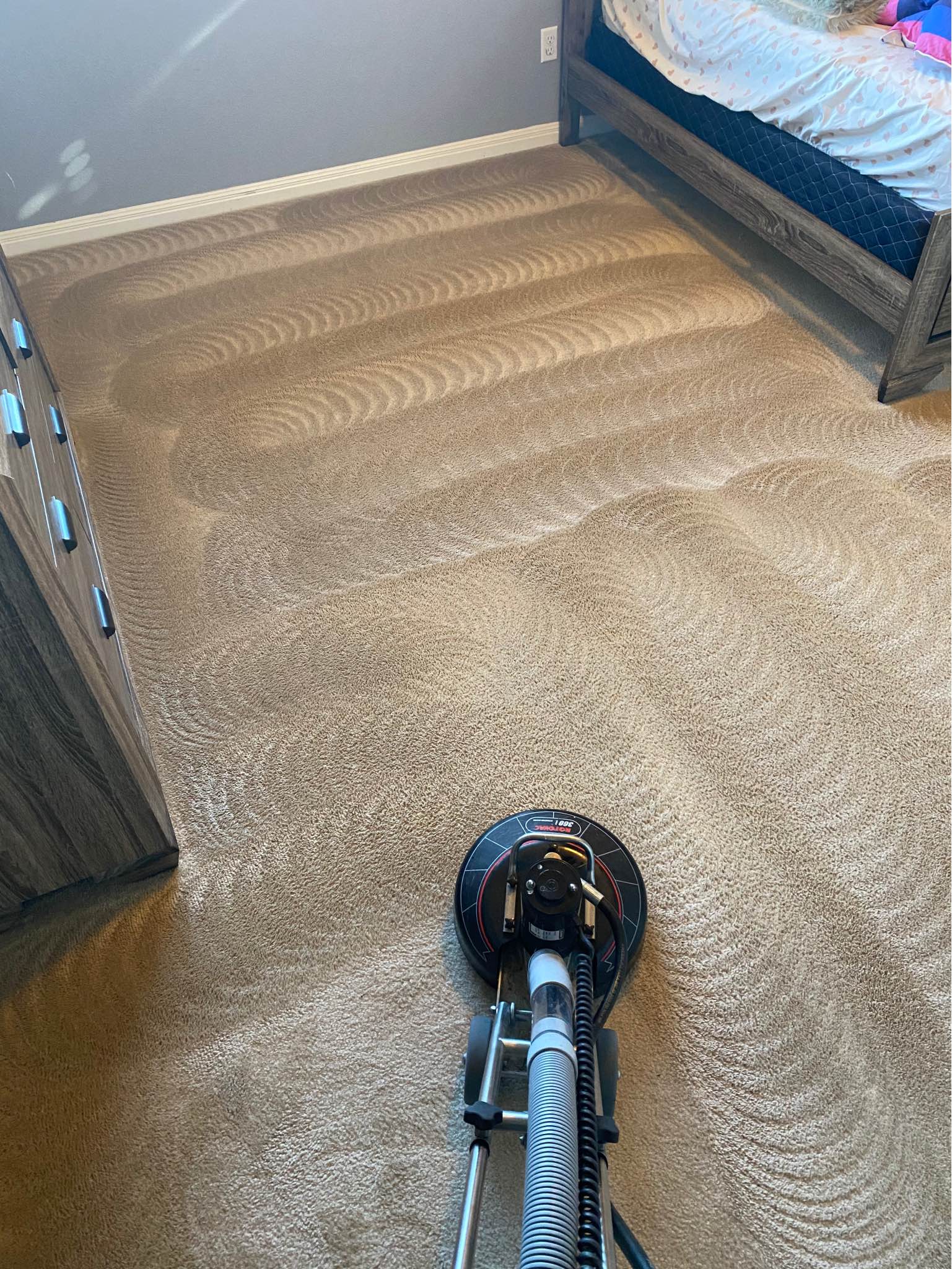
Emergency Carpet Cleaning
Professional Extraction vs. DIY Methods
Renting a consumer-grade carpet cleaner and handling the job yourself might seem like a cost-effective option—but there’s a significant gap between what rental equipment can do and what professional restoration tools achieve.
Consumer wet/dry vacuums and carpet shampooers are designed for surface cleaning. They lack the extraction power to remove moisture from deep within carpet padding, which is where most of the damage accumulates. Leaving residual moisture in the padding creates exactly the conditions mold needs to thrive.
Professional-grade truck-mounted extraction equipment, by contrast, can remove far greater volumes of water from deeper within the carpet system. Combined with industrial air movers and structural drying equipment, professional restoration achieves moisture levels that home equipment simply can’t match.
There’s also the question of expertise. Restoration professionals can assess whether carpet padding needs to be replaced entirely, identify contamination levels, apply antimicrobial treatments, and monitor drying progress with moisture meters. These aren’t steps a homeowner can easily replicate with rental gear and a YouTube tutorial.
For minor surface spills, DIY methods may suffice. For genuine water damage events—flooding, appliance failures, burst pipes—professional restoration is almost always the more reliable and cost-effective long-term choice.
How Terry’s Cleaning and Restoration Handles Structural Drying
Drying the carpet itself is only part of the restoration process. When water saturates a carpet, it penetrates the padding and reaches the subfloor below. If the subfloor retains moisture, it continues to damage the carpet from underneath—even if the surface appears dry.
Terry’s Cleaning and Restoration addresses this with a comprehensive structural drying approach. Using commercial-grade dehumidifiers, air movers, and moisture detection equipment, their team targets not just the carpet but the full moisture system: padding, subfloor, and surrounding walls.
Moisture readings are taken at multiple points throughout the affected area to create a drying profile. This allows the team to track progress, identify pockets of hidden moisture, and confirm that drying is complete before the job is closed out. It’s a methodical process that prevents the common mistake of assuming visible dryness means the job is done.
When necessary, Terry’s team will lift and remove carpet padding—which is often too saturated to dry effectively in place—and treat the subfloor before reinstalling or replacing materials. This attention to the full scope of structural drying is what separates a thorough restoration from a patch job that leads to mold problems down the road.
Long-Term Effects of Delayed Carpet Treatment
Delaying carpet cleaning after water damage doesn’t just increase restoration costs. It sets off a chain of longer-term consequences that can affect your home for years.
Subfloor warping and rot can compromise the structural integrity of your flooring system, requiring expensive repairs that go well beyond carpet replacement. Mold that establishes itself in walls or joists may require professional remediation involving the removal of drywall and structural materials.
Persistent odors are another long-term consequence. Water-damaged carpets that aren’t properly dried and treated develop a musty smell that lingers and is extremely difficult to eliminate after the fact. By the time the smell is noticeable, mold growth is often already underway.
From an insurance perspective, delay can also work against you. Many homeowners’ insurance policies require prompt action to mitigate damage. Waiting too long may give insurers grounds to deny or reduce your claim on the basis that the damage was worsened by inaction.
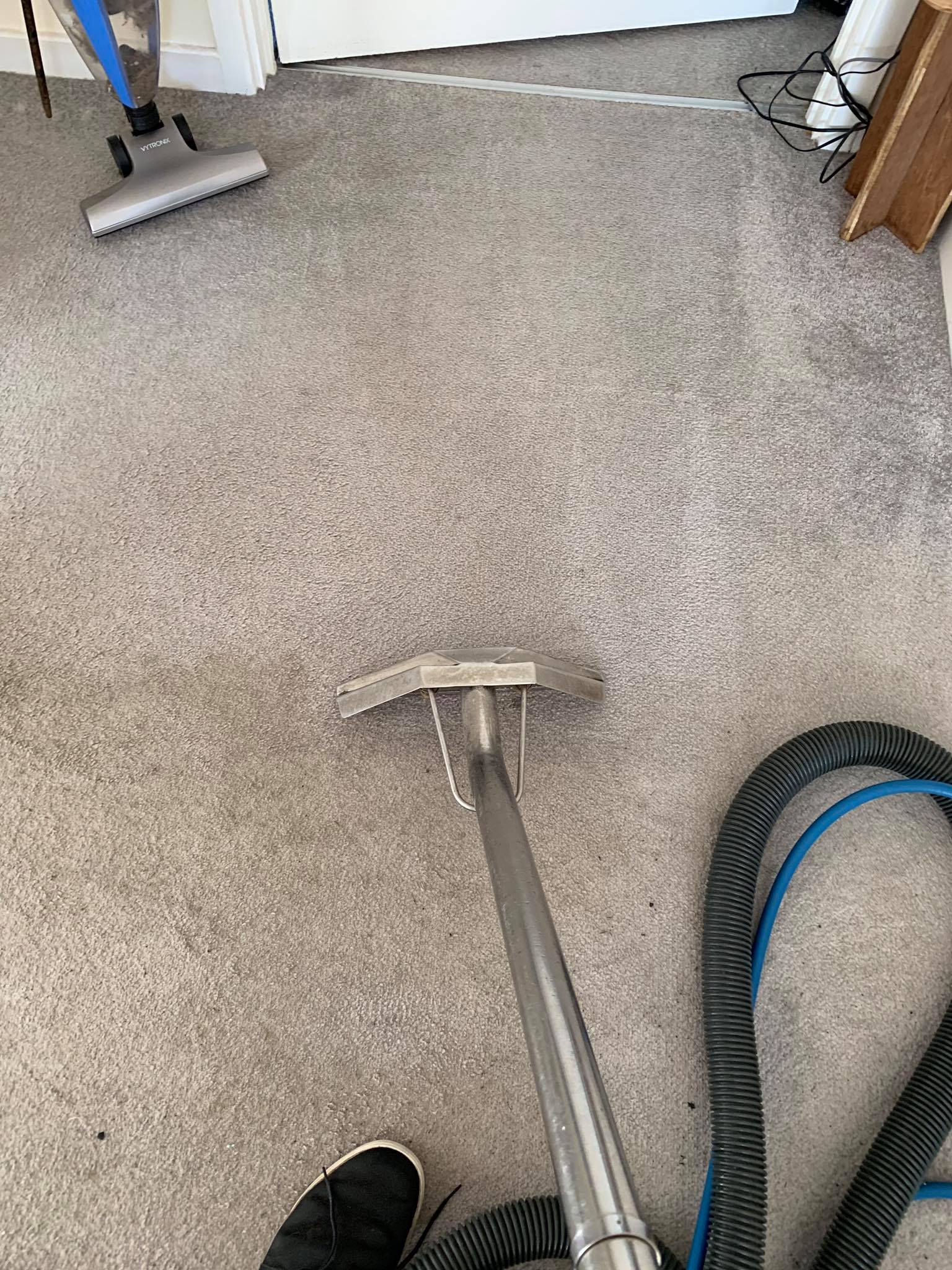
Urgent Carpet Cleaning
Final Tips for Preventing Permanent Water Stains and Odors
Once the immediate emergency is under control, a few additional steps can help protect your carpet from lasting stains and odors:
Apply baking soda generously to damp areas after extraction to help neutralize odors. Leave it for several hours before vacuuming.
Avoid walking on wet carpet as much as possible. Foot traffic pushes moisture deeper into fibers and padding, and can grind contaminants further into the material.
Don’t replace furniture prematurely. Wait until carpet is fully and professionally confirmed as dry before returning heavy items to the space.
Use an antimicrobial spray on affected areas to inhibit mold growth while you wait for professional assistance. Look for products specifically designed for carpet and soft furnishings.
Schedule a professional inspection even if the carpet looks dry. Surface dryness is not a reliable indicator of moisture levels in the padding and subfloor beneath.
Protect Your Home Before the Damage Gets Worse
Water damage is one of those situations where waiting to “see how it goes” almost always makes things worse. The carpet is just the visible layer—beneath it, moisture is working its way through your home’s structure every minute it sits untreated.
Taking immediate action, whether that’s extracting water yourself, increasing airflow, or calling in professionals, dramatically improves the outcome. And when you need expert help, Terry’s Cleaning and Restoration brings the equipment, expertise, and structured drying process to handle water damage thoroughly, not just superficially.
Terry’s Carpet Cleaning – Cleveland
https://www.google.com/maps?cid=3599337546590963590
1916 Hemlock Ct, Goshen, IN 46528
(574) 533-5626
https://terryscarpetcleaning.com/