

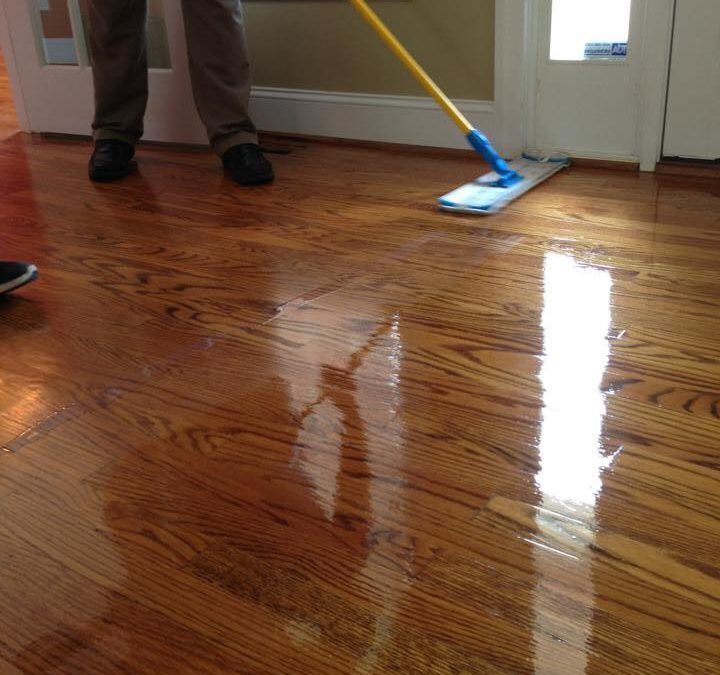
Water Damage Mitigation Services Near Me: Protecting Carpets and Subfloors
Water damage doesn’t wait. A burst pipe, a flooded basement, or even an appliance leak can saturate your floors within minutes—and what starts as a surface problem can quickly become a structural one. Carpets absorb moisture fast, and the subfloors beneath them are even more vulnerable. Once water works its way down through the layers of your flooring, the damage becomes harder to reverse and far more expensive to fix.
For homeowners and property managers dealing with water damage, the instinct is often to grab towels and fans and hope for the best. But when carpets and subfloors are involved, that approach rarely works. The moisture that lingers beneath the surface is invisible to the eye but very real in its consequences—warped wood, weakened foundations, and the kind of mold growth that doesn’t show up until it’s already a serious problem.
That’s where professional water damage mitigation comes in. Companies like Terry’s Cleaning and Restoration specialize in identifying the full scope of water intrusion, extracting moisture from even the deepest layers, and restoring your home to a safe and stable condition. This post breaks down why carpets and subfloors are so susceptible, what the restoration process actually looks like, and why acting quickly is one of the best financial decisions you can make.
Why Carpets and Subfloors Are the First to Suffer
Most people focus on the visible signs of water damage—stained walls, wet furniture, puddles on the floor. But carpets and subfloors are often where the real damage accumulates, and they’re easy to overlook precisely because the worst of it happens out of sight.
Carpet fibers act like a sponge. They draw in water quickly and hold it, creating an environment where moisture spreads laterally across a much larger area than the original source. A small leak near the kitchen sink, for example, can result in damp carpet extending several feet in every direction.
The subfloor is even more concerning. Most residential subfloors are made from plywood or OSB (oriented strand board), both of which are highly susceptible to water absorption. Once wet, these materials begin to swell, warp, and delaminate. Over time, a compromised subfloor can buckle under foot traffic, create soft spots, and ultimately require full replacement—a significantly more expensive outcome than early-stage mitigation.
The combination of trapped moisture between carpet padding and subfloor materials also creates ideal conditions for mold. Within 24 to 48 hours of water exposure, mold spores can begin to colonize. Once that process starts, the problem is no longer just structural—it becomes a health issue too.
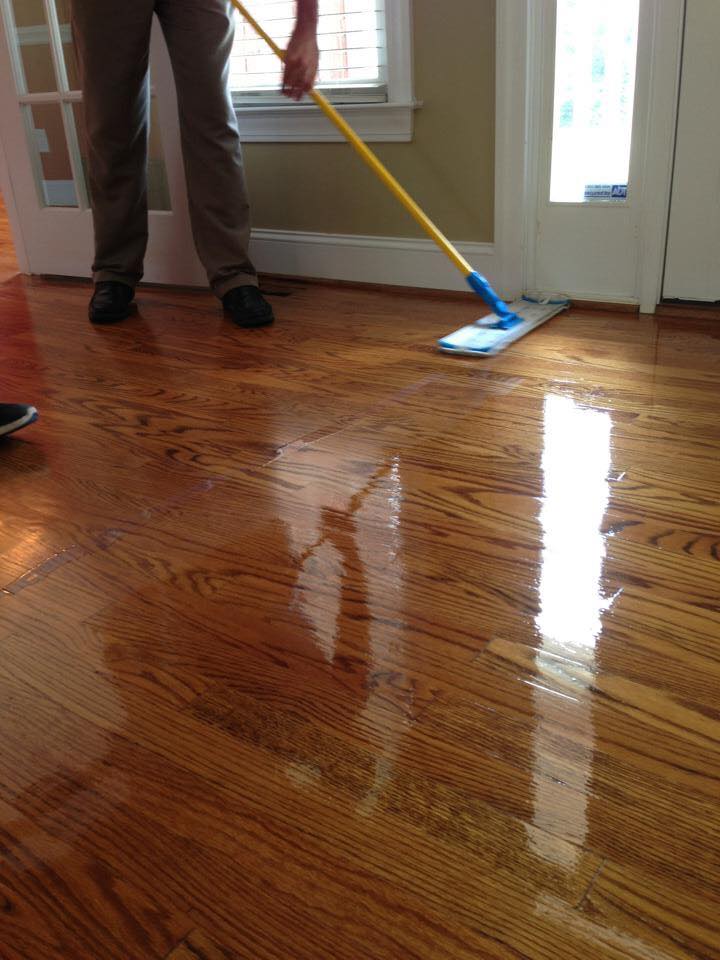
Water Damage Mitigation Service
The Terry’s Cleaning and Restoration Process
Water damage mitigation is not simply drying things out faster. It’s a systematic process designed to address moisture at every layer, including the ones you can’t see.
Assessment and Moisture Mapping
Before any equipment is deployed, technicians conduct a thorough assessment using moisture meters and thermal imaging tools. This step identifies exactly where water has traveled—including under baseboards, into wall cavities, and below subfloor layers. Moisture mapping ensures that no affected area is missed and gives technicians a baseline for measuring progress throughout the drying process.
Water Extraction
The first active step is removing standing water and saturated material. Industrial-grade extraction equipment pulls water from carpet fibers, padding, and the upper surface of the subfloor far more effectively than any consumer-grade wet vac. In many cases, carpet padding cannot be saved and must be removed entirely—it retains water too effectively to dry in place and becomes a breeding ground for mold if left.
Structural Drying
Once surface water is removed, the real drying work begins. High-capacity air movers and commercial dehumidifiers are positioned strategically to draw moisture out of porous materials and maintain airflow across all affected surfaces. This phase can take several days, and moisture readings are taken regularly to track progress and adjust equipment placement as needed.
Sanitization and Antimicrobial Treatment
Water damage—especially from sewage backups or floodwater—often introduces bacteria and contaminants into your home. Even clean water can harbor mold spores once it’s been sitting for a period of time. Terry’s Cleaning and Restoration applies appropriate antimicrobial treatments to affected areas to prevent microbial growth and ensure the space is safe once the drying process is complete.
Final Inspection and Documentation
A thorough final inspection confirms that moisture levels have returned to normal ranges throughout the affected area. Detailed documentation is provided, which is particularly important for homeowners filing insurance claims.
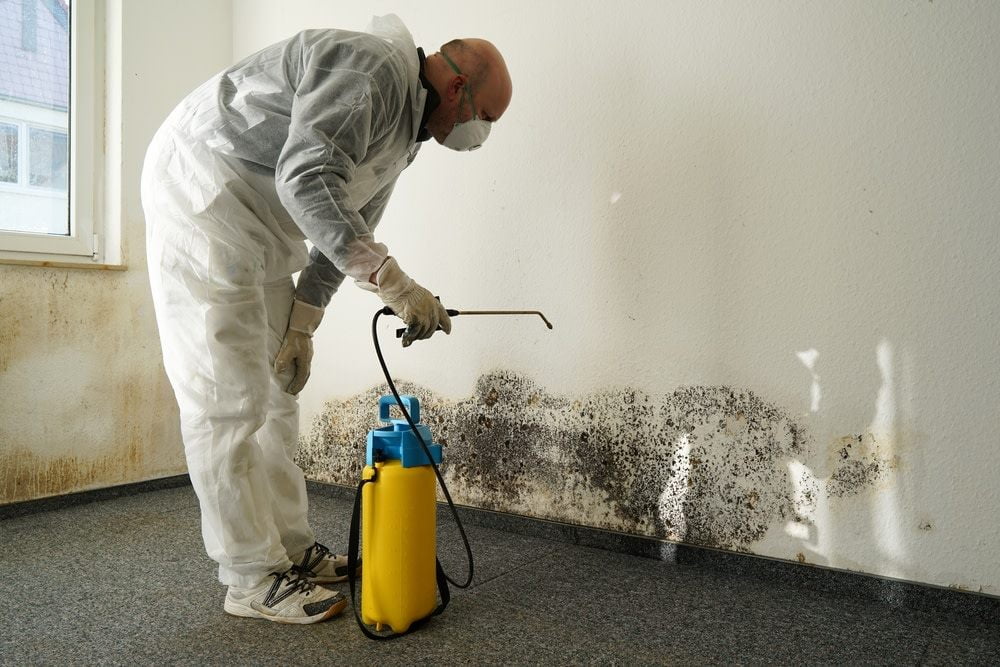
Water Damage Restoration Service
The Health Risks of Waiting Too Long
There’s a window of time after water damage occurs where professional intervention makes the most difference. Miss that window, and the consequences extend well beyond structural repair costs.
Mold is the most significant health risk. Exposure to mold spores can trigger respiratory issues, allergic reactions, and in sensitive individuals, more serious health complications. Mold hidden beneath carpet or inside subfloor cavities is especially problematic because it can go undetected for weeks or months.
Bacteria is another concern, particularly when water damage involves any contact with sewage or outdoor floodwater. Even in cases of clean water damage, stagnant moisture creates conditions where bacteria can thrive.
The longer the delay, the deeper the contamination can spread—and the more of your flooring system may need to be removed and replaced rather than restored. Early professional intervention is almost always the cleaner, cheaper, and safer option.
DIY vs. Professional Mitigation: What’s the Real Difference?
It’s worth addressing the DIY question directly, because many homeowners do attempt to handle water damage themselves—especially when the affected area looks manageable.
Consumer fans and dehumidifiers can move air and reduce ambient humidity, but they work slowly and lack the capacity to address moisture that has already penetrated into subfloor materials. By the time a standard box fan has dried the surface of your carpet, the subfloor beneath it may have been wet for two or three days—long enough for mold to take hold.
Professional equipment operates at a completely different scale. High-velocity air movers create turbulent airflow that accelerates evaporation from porous surfaces. Commercial-grade desiccant or refrigerant dehumidifiers extract significantly more moisture per hour than residential units. And crucially, professional technicians use moisture meters to confirm when materials have actually reached safe dryness levels—not just when they feel dry to the touch.
There’s also the matter of knowing what to look for. Water follows the path of least resistance, and it often travels to unexpected places. A trained restoration technician knows how to trace water migration and check areas that homeowners would never think to examine.
How Timely Restoration Protects Your Investment
Flooring is one of the more significant investments in any home. Hardwood, tile, and quality carpet aren’t cheap—and subfloor replacement adds labor costs on top of material costs that can run into the thousands.
The financial case for professional mitigation is straightforward: the cost of extraction and drying is almost always lower than the cost of replacing what’s been damaged. Carpet that is extracted and dried within the first 24 to 48 hours can often be saved. Carpet that has been wet for several days, or that has developed mold beneath the padding, typically cannot.
The same principle applies to subfloors. Plywood that is dried before it has had time to warp significantly can remain structurally sound. Plywood that has swollen and delaminated needs to be cut out and replaced—and that means removing whatever finished flooring sits on top of it too.
Homeowner’s insurance policies often cover water damage mitigation when the source is sudden and accidental. Keeping detailed records of the damage and the restoration process—something Terry’s Cleaning and Restoration provides as part of their service—makes the claims process considerably smoother.
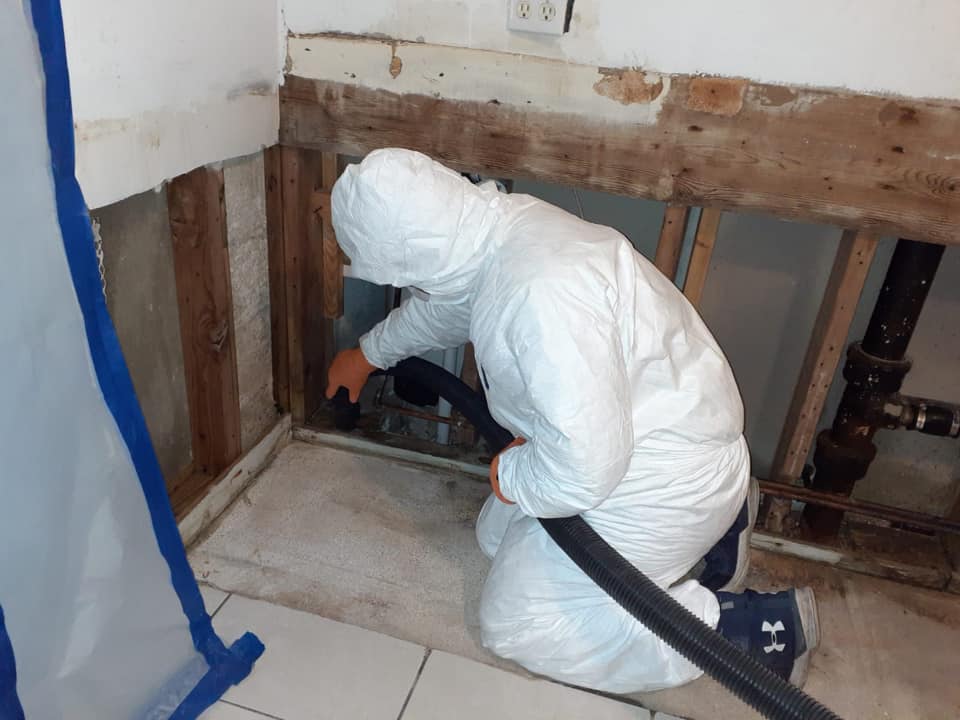
Water Damage Restoration
Don’t Let Water Damage Become a Bigger Problem
Water damage is one of those situations where speed genuinely matters. Every hour that passes is an hour in which moisture is working its way deeper into your flooring system, your walls, and your home’s structural materials. The difference between a restoration job and a full replacement job is often just a matter of how quickly a professional was called.
If you’re searching for water damage mitigation services near you, look for a company with the equipment, training, and documentation practices to address the full scope of the damage—not just what’s visible on the surface. Terry’s Cleaning and Restoration brings that expertise directly to your property, with a process built to protect your carpets, your subfloors, and your home’s long-term value.
Don’t wait until the damage becomes undeniable. Contact Terry’s Cleaning and Restoration as soon as water intrusion occurs, and give your home the best chance at a full recovery.
Terry’s Carpet Cleaning – Cleveland
https://www.google.com/maps?cid=3599337546590963590
1916 Hemlock Ct, Goshen, IN 46528
(574) 533-5626
https://terryscarpetcleaning.com/