

Dryer Duct Cleaning Near Me: An Overlooked Service That Protects Your Home
Most homeowners know they should clean the lint screen after every load of laundry. What is easier to overlook is the duct that carries hot, moist air from the back of the dryer to the outside of the house.
Lint that passes through the screen can gradually collect inside this duct. Outdoor debris, bird nests, damaged vent covers, crushed connections, and long vent runs can also restrict airflow. As the opening becomes narrower, the dryer must work harder to move air and dry clothing.
Searching for “dryer duct cleaning near me” is often prompted by a dryer that suddenly takes longer to finish a load. However, professional dryer duct cleaning is about more than convenience. It can improve dryer performance, reduce unnecessary energy use, and address one of the most preventable fire risks in the home.
Why the Dryer Vent Matters
A clothes dryer removes moisture by heating clothing and moving the warm, humid air out of the appliance. That air travels through a transition connection behind the dryer and then through a duct that ends at an exterior vent.
For the system to operate properly, air needs a clear path to the outside. When lint and debris begin restricting that path, heat can accumulate inside the dryer and ductwork.
The U.S. Consumer Product Safety Commission warns that lint buildup can block airflow, create excessive heat, and cause a fire in some dryers. The U.S. Fire Administration also reports that failure to clean was the leading factor contributing to the ignition of home clothes-dryer fires from 2018 through 2020.
Cleaning the lint screen remains essential, but it does not capture everything. Small fibers can pass through the filter and settle farther inside the system. Over months or years, that accumulation may become substantial.
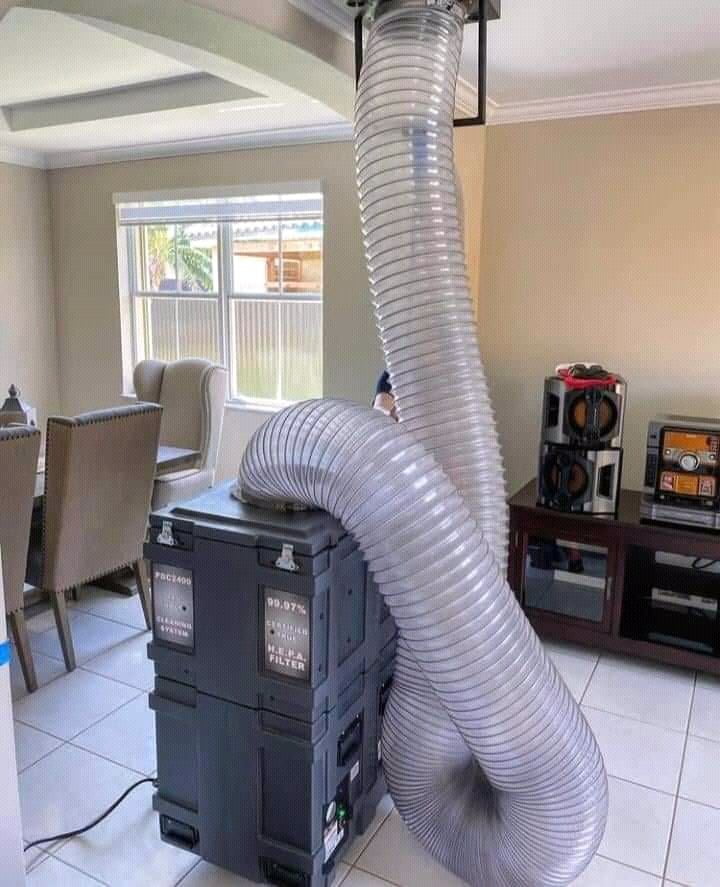
Dryer Duct Cleaning Service
Warning Signs Your Dryer Duct May Be Restricted
A clogged dryer vent does not always create an obvious emergency. The symptoms often develop gradually, which makes them easy to dismiss.
One of the most common signs is clothing that takes longer than usual to dry. A load that once required one cycle may need two or more. You might assume the dryer is getting old, when the actual problem is restricted airflow.
Other warning signs can include:
- Clothing that feels unusually hot at the end of a cycle
- A dryer cabinet or laundry room that becomes excessively warm
- A burning or overheated smell
- Heavy lint collecting behind or around the dryer
- A lint screen that fills more quickly than expected
- The exterior vent flap opening weakly or not opening at all
- Little airflow coming from the outside vent
- The dryer shutting off before the cycle is complete
- Moisture or condensation in the laundry area
- A musty odor inside the dryer or duct
Birds, rodents, and other small animals may also build nests inside exterior dryer vents. Terry’s Cleaning & Restoration notes that nesting material can choke off airflow in addition to the lint that naturally collects inside the vent.
Any burning smell, visible smoke, or excessive heat should be treated seriously. Stop using the dryer until the cause has been identified.
Why Cleaning the Lint Screen Is Not Enough
Cleaning the filter before or after every load is one of the most important steps homeowners can take. Both the Consumer Product Safety Commission and the U.S. Fire Administration recommend keeping the lint filter clean and ensuring the exhaust vent is not restricted.
The filter, however, is only one part of the system.
Lint can collect behind the dryer, inside the flexible transition connection, along the walls of the permanent duct, and around the exterior opening. The problem may be worse when the vent travels a long distance, contains several turns, or exits through a roof rather than a nearby exterior wall.
A homeowner may be able to clean the first few inches of an accessible vent. Reaching the entire duct is more difficult, especially when the route is long or concealed inside walls and ceilings.
That is when professional cleaning becomes worthwhile.
What Professional Dryer Duct Cleaning Addresses
Professional dryer duct cleaning is intended to remove built-up lint and other obstructions from the exhaust path. The technician should evaluate the accessible portions of the system, identify airflow restrictions, and clean the duct from the dryer connection toward the exterior termination.
The service may uncover more than loose lint. Depending on the home, the duct can contain compacted debris, nesting material, disconnected sections, damaged transition tubing, or an exterior flap that no longer moves freely.
Cleaning restores the airflow that allows heat and moisture to leave the appliance. It may also help the dryer operate more efficiently when restricted venting is the reason loads have been taking too long.
However, cleaning cannot correct every dryer problem. A failing heating element, damaged thermostat, electrical issue, worn appliance component, or improperly designed vent may require an appliance technician or another qualified professional. A trustworthy cleaning company should avoid promising that duct cleaning will repair mechanical problems.
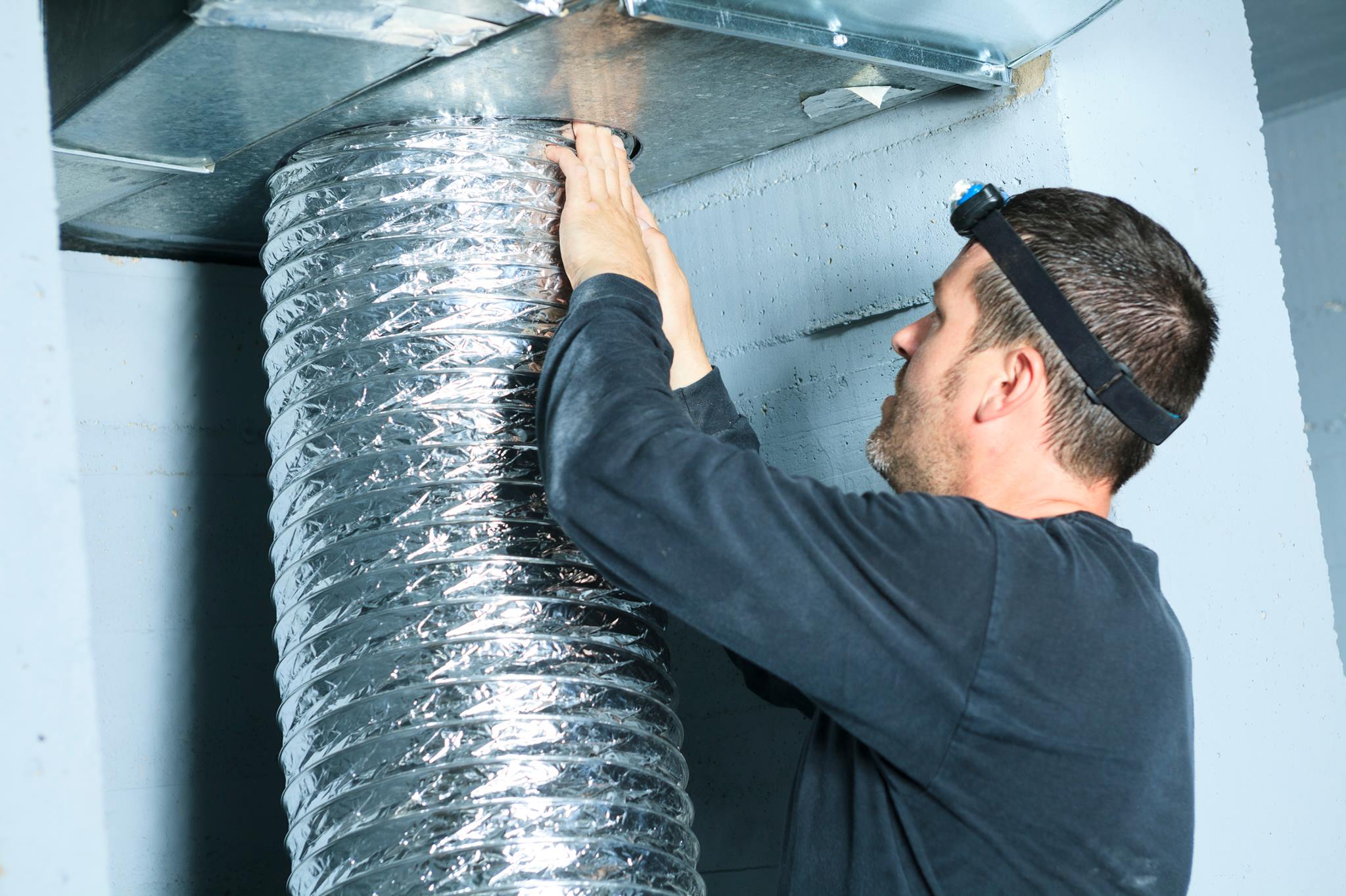
Dryer Duct Cleaning Expert
How Often Should Dryer Ducts Be Cleaned?
Terry’s Cleaning & Restoration recommends dryer vent cleaning approximately every 12 to 18 months as a practical way to reduce buildup and avoid a preventable problem.
The right timing depends on how the dryer is used and how the vent is constructed. A household that runs several loads every day may need service sooner than someone who does laundry once or twice a week.
More frequent inspection may also be appropriate when:
- Several people live in the household
- The home has pets that shed heavily
- Towels, blankets, or other lint-producing items are washed often
- The dryer vent has a long route or several bends
- The vent exits through the roof
- The dryer is used for a rental property or multifamily building
- Drying times begin increasing
- A nest or exterior blockage has occurred before
The U.S. Fire Administration advises homeowners to clean dryer vent ductwork every year, while the CPSC recommends cleaning lint from the vent pipe at least annually.
Rather than waiting for a complete blockage, it is better to make dryer duct cleaning part of routine home maintenance.
Can You Clean a Dryer Vent Yourself?
Some homeowners can perform limited maintenance safely. You can clean the lint screen, vacuum accessible lint from behind the appliance, and check whether the exterior flap opens while the dryer is operating.
The dryer should be turned off and disconnected before attempting to move it or work around the vent connection. Gas appliances require additional caution because pulling the dryer away from the wall can affect the gas connection.
DIY vent brushes may work for a short, straight, easily accessible duct. They are less reliable when the vent is long, contains multiple turns, or runs through a wall, attic, crawlspace, or roof. Improper use can push lint deeper into the duct, disconnect a concealed section, or leave part of the obstruction behind.
Flexible tools can also break inside the duct if they are used incorrectly.
Professional service is the safer choice when the duct route is difficult to access, airflow remains weak after basic maintenance, the dryer repeatedly overheats, or you are unsure how the system is configured.
Dryer Duct Cleaning Can Help Lower Drying Time
When a vent is restricted, moist air remains in the dryer longer. The appliance may need additional time and energy to finish each load. This can lead to longer cycles, more wear on clothing, and unnecessary strain on the dryer.
Cleaning a clogged duct can help restore normal airflow. Many homeowners first notice the difference in the amount of time required to dry towels, jeans, blankets, and other heavy items.
Not every long drying cycle is caused by the vent, but checking the duct is a sensible first step. It is often less expensive than replacing an appliance that may still be working properly.
The Exterior Vent Deserves Attention Too
The outside termination is an important part of the system. Its flap or cover should open when the dryer runs and close when the appliance is off.
A stuck cover can restrict airflow. A missing or damaged cover may allow pests, rain, leaves, and outdoor debris to enter. Screens with very small openings can trap lint and become clogged quickly.
Walk around the outside of your home while the dryer is operating. You should be able to feel warm air leaving the vent, and the flap should move freely. Weak airflow does not prove that the duct is clogged, but it is a reason to have the system evaluated.
Do not rely solely on what you see at the exterior opening. A small amount of visible lint may be only the portion that has reached the end of a much larger accumulation inside the duct.
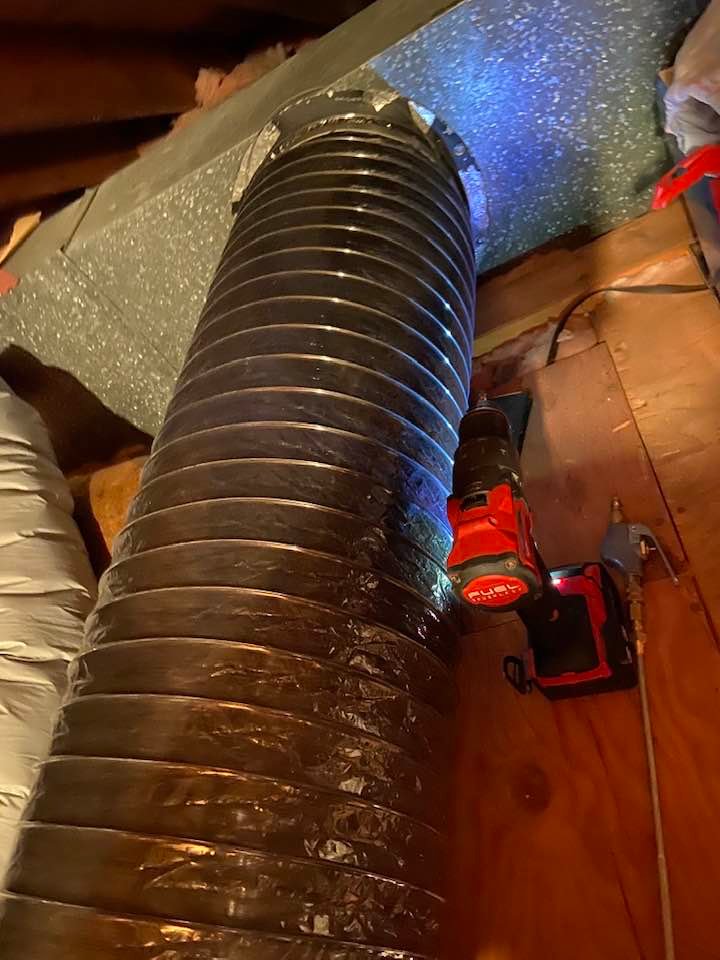
Dryer Duct Cleaning
Choosing Dryer Duct Cleaning Near You
When comparing local providers, look beyond the lowest advertised price. Ask whether the company regularly performs dryer vent cleaning, how it approaches long or complicated duct runs, and whether it will explain any problems discovered during the service.
Local experience also matters. A company familiar with the construction styles in the area is more likely to recognize common vent configurations and access challenges.
Terry’s Cleaning & Restoration is a family-owned company founded in 1990. Based in Goshen, the company provides professional dryer vent and air duct cleaning throughout Goshen, Elkhart, Granger, and surrounding Northern Indiana communities. Terry is an IICRC Certified Master Cleaning Technician and Journeyman Restoration Technician, and multiple IICRC-certified technicians are part of the team.
The company has built its reputation around experienced technicians, professional equipment, straightforward recommendations, and honest answers. Terry’s is also referred by heating and air-conditioning contractors for its duct-cleaning work.
Protect Your Home With Routine Dryer Vent Maintenance
Dryer duct cleaning is easy to postpone because most of the vent is hidden. Unfortunately, hidden lint still affects airflow, dryer performance, and fire safety.
Cleaning the lint screen after every load is essential, but it does not replace periodic cleaning of the exhaust duct. When clothes take longer to dry, the laundry room becomes unusually hot, or the exterior vent produces weak airflow, it is time to investigate.
Terry’s Cleaning & Restoration provides professional dryer duct cleaning for homeowners throughout Goshen, Elkhart, Granger, and nearby communities. Contact the team for a quote and make this often-overlooked service part of protecting your home.
https://www.google.com/maps?cid=3599337546590963590