

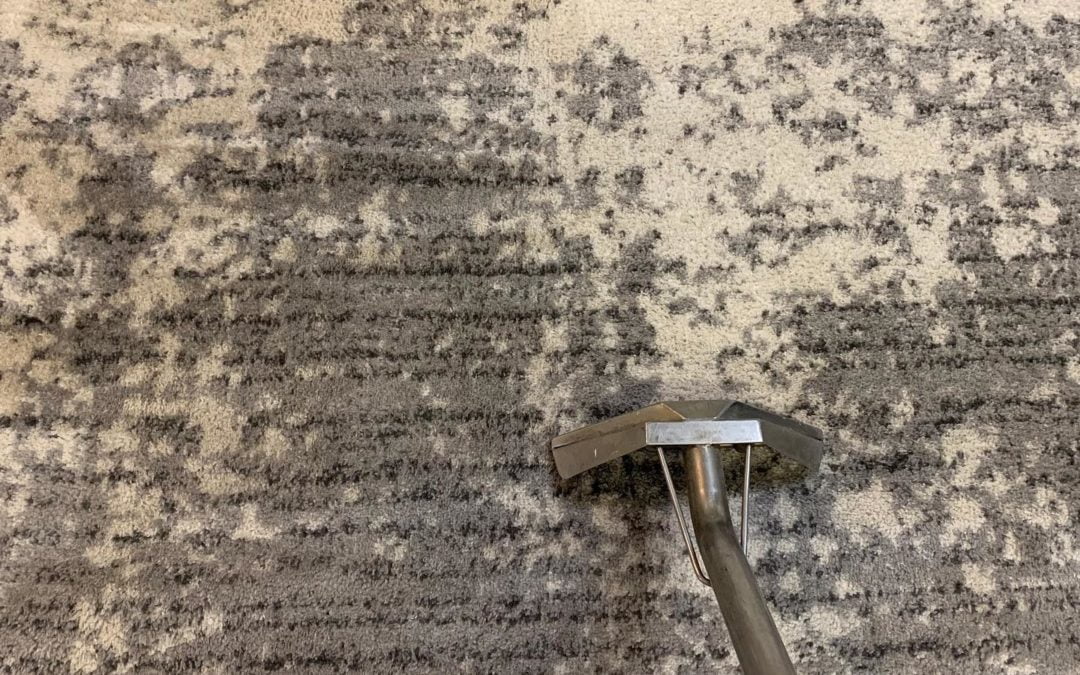
Mold Under Carpet? What to Do Before It Spreads in Your Home
That persistent musty smell in your living room might not just be from everyday wear and tear. Hidden beneath your carpet, moisture from unnoticed spills, minor leaks, or humidity can create the perfect breeding ground for mold growth. What starts as a small water incident can quickly develop into a serious contamination problem that affects your home’s air quality and your family’s health.
Carpet mold presents unique challenges because it often grows undetected in the padding and subflooring beneath your visible carpet surface. Unlike surface mold that you can spot immediately, carpet mold releases spores into your indoor air while remaining largely invisible. The contamination can spread throughout your HVAC system, creating health risks and requiring extensive remediation if left untreated.
The encouraging news is that early detection and prompt action can prevent mold under carpet. With proper safety measures, targeted cleaning techniques, and professional expertise when needed, you can eliminate existing mold and implement prevention strategies that protect your carpet investment long-term.
Spotting the Signs: How to Know If There’s Mold Under Your Carpet
Visual Clues and Odors
Discoloration around carpet edges, black or green patches near baseboards, and persistent musty odors that won’t disappear with regular cleaning indicate potential mold growth beneath your carpet. These visual and aromatic signals often appear first in areas with poor ventilation or previous moisture exposure.
Texture and Moisture Changes
Damp or spongy sections of carpet padding, areas that feel unusually soft when walked on, or carpet that remains moist days after cleaning suggest moisture retention that promotes mold development. These texture changes typically occur where water has penetrated through the carpet backing into the underlying materials.
Health Symptoms as Early Warnings
Increased allergy symptoms, persistent coughing, sneezing, or respiratory irritation that worsens when spending time in specific rooms may indicate airborne mold spores from contaminated carpet areas. These health signals often precede visible mold growth and shouldn’t be ignored.
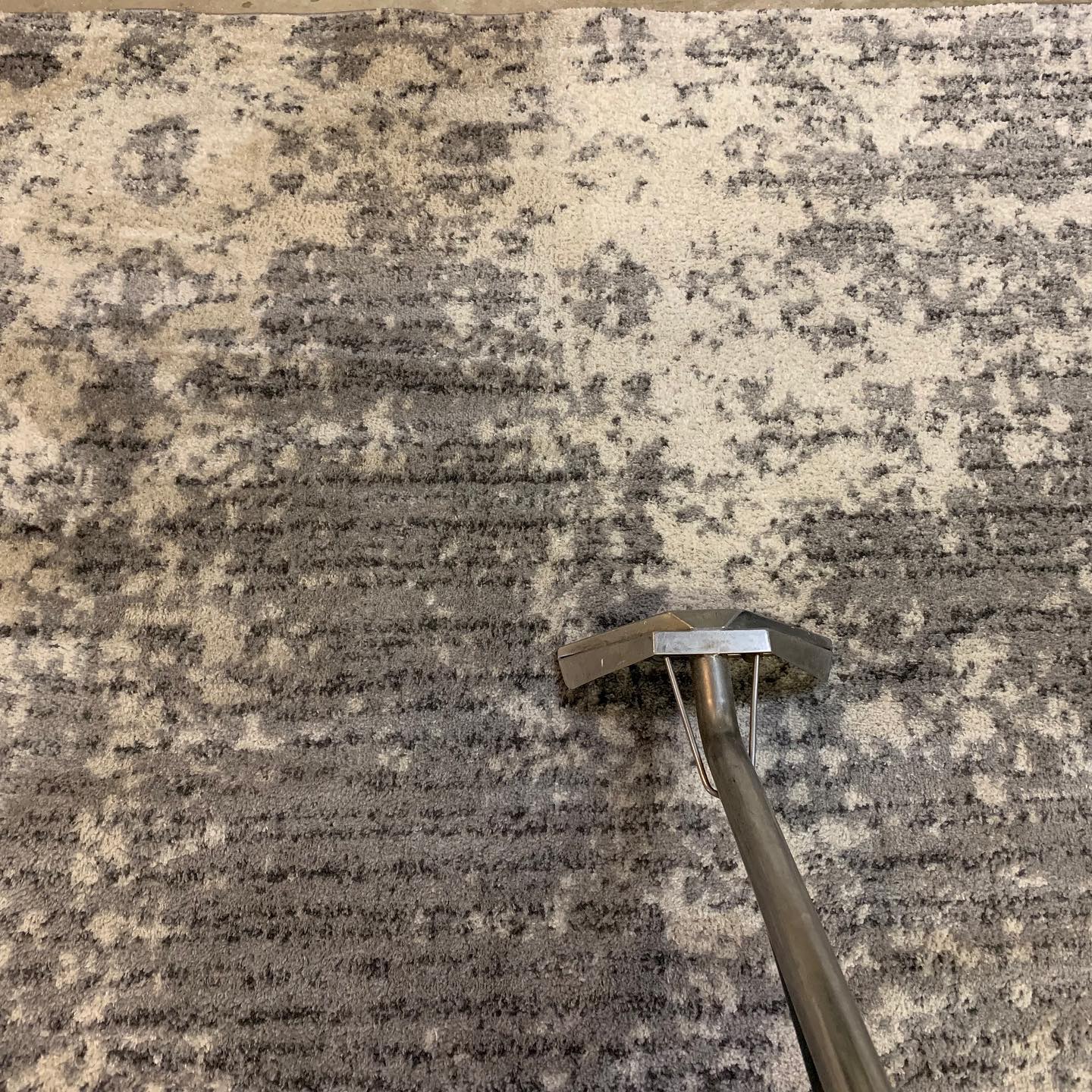
Mold Carpet Cleaning Service
Understanding What Causes Mold Under Carpets
Water Leaks and Flooding
Plumbing leaks from pipes beneath floors, roof drips that seep through ceiling structures, or flooding events create ideal moisture conditions for mold growth in carpet padding and subflooring materials. Even small leaks can saturate carpet backing and create long-term contamination issues if not addressed immediately.
Humidity and Poor Ventilation
High indoor humidity levels above 60% combined with inadequate air circulation create environments where moisture becomes trapped beneath carpets, particularly in basements, bathrooms, and enclosed areas. This trapped moisture provides the consistent dampness mold requires to establish colonies.
Improper Drying After Cleaning
Carpets that aren’t thoroughly dried after steam cleaning or water extraction can retain moisture in padding and backing materials, creating perfect conditions for mold growth within 24-48 hours. Professional-grade drying equipment ensures complete moisture removal from all carpet layers.
Safety First: What to Do Before You Start Cleaning
Protect Yourself
Wear protective gloves, N95 or P100 masks, and eye protection when investigating or cleaning potential mold contamination to prevent inhalation of spores and direct skin contact with contaminated materials. Proper personal protective equipment is essential for safe mold handling.
Stop the Spread
Seal off the affected area using plastic sheeting and tape to prevent mold spores from traveling through your HVAC system or air currents to other rooms during the cleaning process. This containment strategy protects uncontaminated areas of your home.
Assess the Damage
Determine whether the contamination covers less than 10 square feet (suitable for DIY cleanup) or requires professional intervention for larger areas, extensive padding involvement, or when health conditions make exposure risky. Accurate damage assessment guides your remediation approach.
DIY Mold Removal Methods for Small Areas
White Vinegar and Baking Soda
Create a natural cleaning solution using white vinegar (which kills most mold species) followed by baking soda application to neutralize odors and absorb remaining moisture from carpet fibers. This combination provides effective treatment for surface-level mold contamination without harsh chemical exposure.
Hydrogen Peroxide as a Disinfectant
Apply diluted hydrogen peroxide (3% concentration) to affected carpet areas as an antimicrobial treatment that kills mold spores and lightens discoloration, making it particularly effective for light-colored carpets with surface mold growth. Always test in an inconspicuous area first to check for color-fastness.
Sunlight and Ventilation
Maximize natural air circulation using fans, open windows, and direct sunlight exposure when possible, as UV light naturally kills mold spores on carpet while proper airflow removes moisture that supports mold growth. This method works best in combination with cleaning treatments for comprehensive mold elimination.
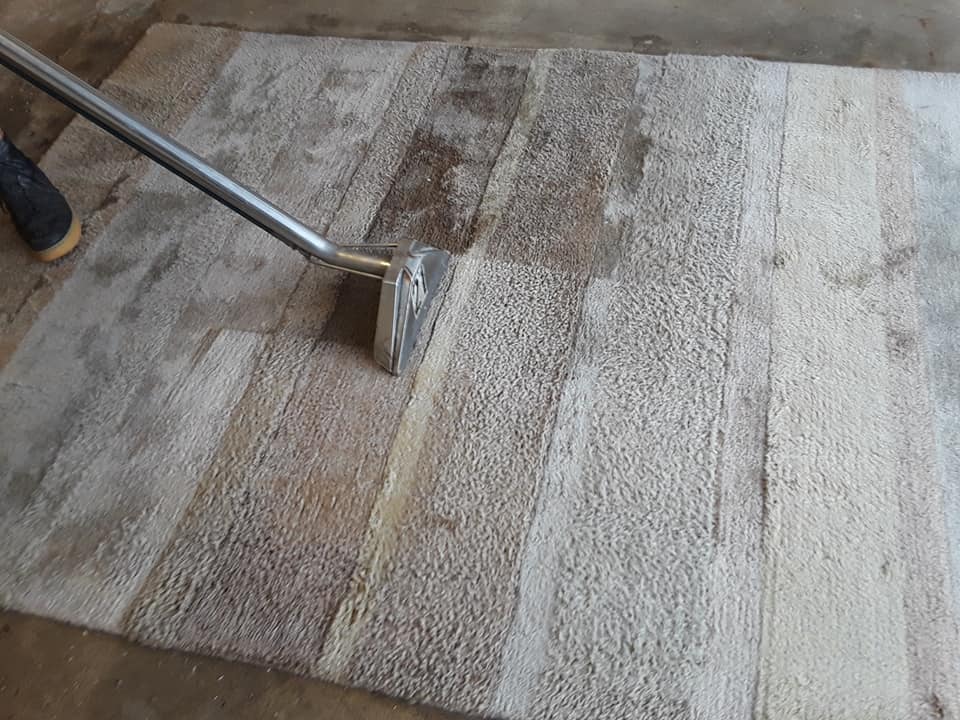
Mold Carpet Cleaning
Terry’s Cleaning & Restoration: Professional Solutions for Deep Mold Problems
When DIY Isn’t Enough
Deep-seated mold contamination in carpet padding, subflooring, or areas exceeding 10 square feet requires specialized equipment including industrial dehumidifiers, HEPA air scrubbers, and professional-grade antimicrobial treatments that ensure complete spore elimination. Terry’s Cleaning & Restoration provides these advanced tools and certified expertise.
Terry’s Advanced Mold Removal Process
Our IICRC-certified technicians utilize truck-mounted extraction systems, thermal imaging to detect hidden moisture, and EPA-approved antimicrobial treatments that penetrate carpet backing and padding to eliminate mold colonies at their source. This comprehensive approach addresses both visible contamination and hidden growth areas.
Restoration Beyond Cleaning
Terry’s Cleaning & Restoration evaluates and restores the entire affected area, including carpet padding replacement, subfloor treatment, and moisture barrier installation to prevent future mold growth, ensuring your carpet restoration provides long-term protection for your home investment.
Preventing Mold from Coming Back
Controlling Indoor Humidity
Maintain indoor humidity levels below 50% using dehumidifiers, proper ventilation systems, and moisture monitoring tools to create conditions that prevent mold growth in carpet padding and backing materials. Consistent humidity control is your primary defense against future contamination.
Routine Carpet Maintenance
Implement regular vacuuming with HEPA-filtered equipment, immediate cleanup of spills and moisture, and annual professional deep cleaning to remove soil and moisture that contribute to mold-friendly environments beneath your carpets.
Air Circulation Matters
Ensure adequate airflow beneath furniture by maintaining slight spacing from walls, using area rugs instead of wall-to-wall carpet in high-moisture areas, and improving ventilation in rooms where carpets are installed to prevent moisture accumulation.
When to Replace Carpet and Padding
Knowing When It’s Beyond Repair
Mold embedded deeply in carpet backing or padding fibers cannot be fully removed through cleaning alone. If discoloration persists after treatment, odors remain despite deodorizing efforts, or structural integrity has weakened, replacement becomes necessary to protect your home and health.
Choosing Mold-Resistant Materials
Synthetic carpet fibers like nylon or polyester resist moisture absorption better than natural materials such as wool. Pair these with antimicrobial carpet padding designed to inhibit mold growth, especially in high-humidity areas or rooms prone to moisture exposure.
Professional Removal and Disposal
Trained professionals for carpet cleaning safely remove mold-contaminated carpeting while containing spores during disposal. They seal affected materials in heavy-duty bags before transport, preventing cross-contamination throughout your home that can occur when untrained individuals attempt removal without proper containment protocols.
Mold Carpet Cleaning Expert
Protecting Your Home Long-Term with Regular Inspections
Seasonal Moisture Checks
Inspect basements, areas under heavy furniture, and spaces near windows for dampness or water stains at least quarterly. Look for condensation on walls or floors during humid months and address any moisture sources before mold has a chance to establish itself.
Plumbing and Roof Maintenance
Schedule annual inspections of plumbing systems, roof integrity, and gutter functionality to catch leaks before they saturate carpeting. Small repairs now prevent major water damage later—the primary cause of carpet mold in most homes.
Scheduling Professional Carpet Cleanings
Professional deep cleaning once or twice yearly removes embedded dirt and moisture that household vacuums miss. Services like Terry’s Cleaning & Restoration use truck-mounted systems with powerful extraction capabilities that thoroughly dry carpets while applying preventive antimicrobial treatments for ongoing protection.
Take Control Before Mold Takes Over
Quick response to moisture issues and early mold detection prevents extensive damage to your carpet, padding, and subflooring while protecting your family’s health from airborne contamination. The key to successful mold management lies in recognizing warning signs and taking immediate action.
Balance DIY cleaning methods for small, surface-level contamination with professional restoration services for extensive mold growth, ensuring you have the right tools and expertise for each situation. Terry’s Cleaning & Restoration provides the certified knowledge and specialized equipment needed for comprehensive mold remediation.
Clean, dry carpets contribute to healthier indoor air quality and protect your home’s structural integrity. By implementing proper prevention strategies and partnering with experienced restoration professionals, you create a foundation for long-term carpet health and family wellness.