

How to Dry Carpet Quickly After a Leak or Flood
When water hits your carpet, time isn’t just important — it’s everything. A sudden leak or flood can turn a cozy living room into a soggy mess within minutes, and if left untreated, that moisture can cause far more than just surface damage. Mold, mildew, and structural issues can take hold fast, turning what could have been a quick cleanup into a costly restoration project.
Wet carpeting isn’t just an inconvenience — it’s a race against the clock. Carpets and the padding underneath are highly absorbent, meaning water doesn’t just sit on the surface; it seeps deep, often reaching the subfloor. If not dried properly, this trapped moisture creates the perfect environment for mold growth, unpleasant odors, and even permanent carpet damage.
That’s why acting fast matters. In this guide, you’ll learn how to properly dry carpet after water exposure — step by step — using effective techniques that prevent further damage. You’ll also discover the hidden risks of ignoring or mishandling the drying process and when it’s time to bring in professional water damage experts like Terry’s Cleaning & Restoration, who have the tools and experience to ensure your home is safe, clean, and fully restored.
Initial Assessment and Safety First
Identify the Water Source
Determine if the water is from a clean source (like a supply line), a gray source (like a dishwasher), or a black water source (like sewage), as this dictates safety and salvageability. Clean water poses the least risk and can often be managed with DIY methods, while gray and black water contain contaminants that require professional intervention.
Electrical Safety Precautions
Immediately turn off the circuit breakers supplying power to the affected area to prevent the risk of electric shock before entering the wet space. Water conducts electricity, and standing water in contact with electrical outlets, appliances, or wiring creates a serious hazard. Never enter a flooded room without first ensuring the power is disconnected at the breaker panel.
Personal Protective Equipment (PPE)
The importance of wearing waterproof boots and gloves, especially if the water source is unknown or contaminated, cannot be overstated. PPE protects you from bacteria, chemicals, and other hazardous materials that may be present in the water. Even seemingly clean water can become contaminated as it spreads across floors and absorbs materials from carpets, padding, and subflooring.
Carpet Drying Service
Removing Excess Water: The Critical First Step
Using a Wet/Dry Vacuum
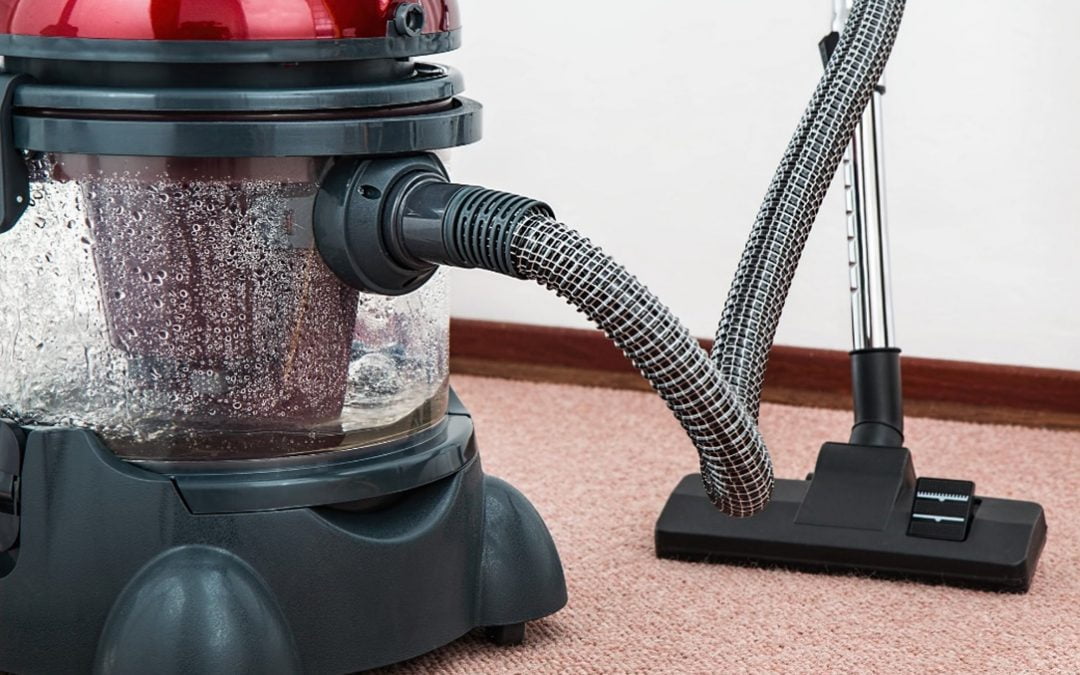
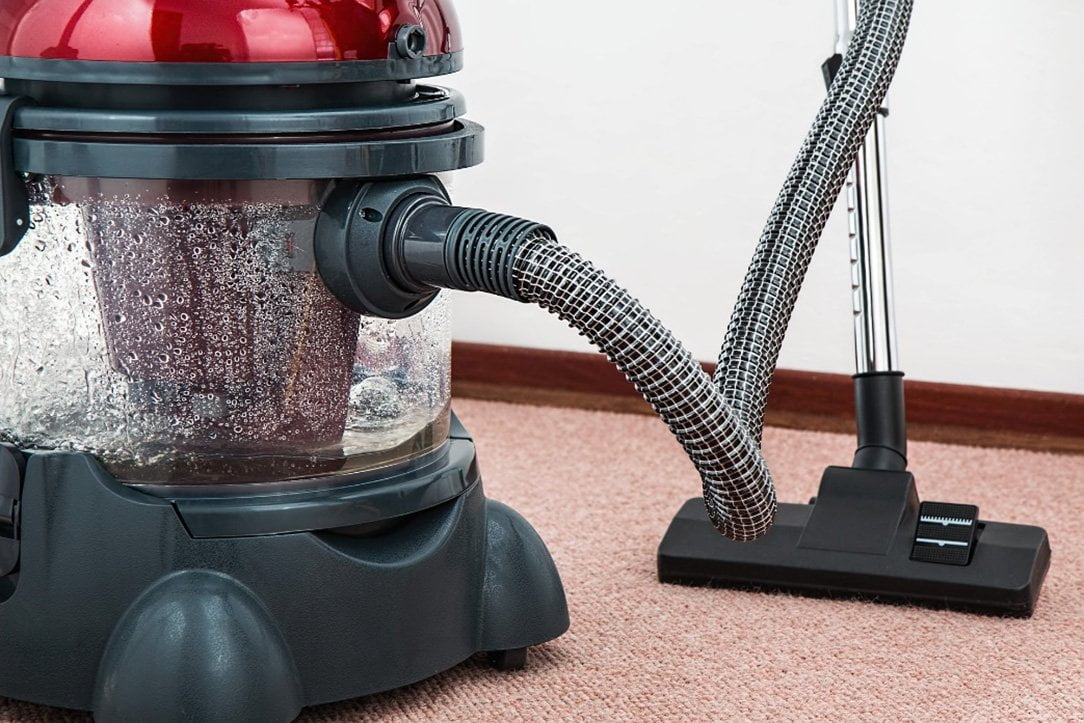
Instructions on how to use a wet/dry shop vacuum, the most effective DIY tool, to extract as much standing water as possible from the carpet. Move the vacuum slowly across the carpet in overlapping passes, allowing the suction to pull water from deep within the fibers and padding.
The “Towel Stomp” Method for Small Areas
For minor leaks, how to place thick towels over the wet patch and walk on them to absorb water from the carpet and padding. This method uses your body weight to press the towel into the carpet, drawing moisture upward.
Moving Furniture and Belongings
Promptly remove all furniture and items from the wet carpet to prevent staining and allow for unobstructed access and airflow. Wet carpet can transfer dyes and finishes from furniture legs, causing permanent discoloration. Removing obstacles also ensures air can circulate freely across the entire affected area, which accelerates the drying your carpet process.
Promoting Air Circulation to Accelerate Drying
Creating Cross-Ventilation
The strategy of opening windows and doors on opposite sides of the house to create a natural airflow that helps evaporate moisture. Cross-ventilation draws fresh, dry air into the space while pushing humid air out, significantly improving drying conditions.
Strategic Use of High-Velocity Fans
How to position box fans, floor fans, or specialized air movers to blow air directly across the surface of the wet carpet. Place fans at angles that direct air horizontally over the carpet rather than straight down, which maximizes evaporation.
Activating Your HVAC System
Setting your air conditioning system (in summer) or heating system (in winter) to help dehumidify the air and assist in the drying process. Air conditioning naturally removes moisture from the air as it cools, while heating increases the air’s capacity to hold moisture.
The Role of Dehumidification
How Dehumidifiers Work
An explanation of how dehumidifiers pull moisture vapor from the air, which is crucial for drying the carpet, padding, and subfloor. Dehumidifiers draw humid air across cold coils, causing water vapor to condense into liquid that collects in a tank or drains away.
Optimal Placement and Operation
Best practices for placing a dehumidifier in the center of the affected room and ensuring it runs continuously, emptying the collection tank as needed. Position the unit away from walls and furniture to allow unrestricted airflow on all sides. Monitor the tank level frequently, or connect a drain hose if your unit supports continuous drainage, to prevent the machine from shutting off automatically when full.
Renting vs. Owning
A brief overview of when a standard home dehumidifier is sufficient versus when renting commercial-grade LGR (Low-Grain Refrigerant) dehumidifiers is necessary for larger jobs. Home units work well for small areas with minor water exposure, but extensive flooding requires the superior capacity and efficiency of commercial equipment.
Carpet Drying Service Provider
Addressing the Carpet Padding and Subfloor
Pulling Back the Carpet
Instructions on carefully detaching the carpet from the tack strips at a corner to inspect the condition of the padding and subfloor underneath. Use a flathead screwdriver or pliers to gently lift the carpet edge, taking care not to tear the backing. Once lifted, assess the extent of water saturation in the padding and check the subfloor for signs of moisture, discoloration, or warping.
When to Dispose of Carpet Padding
Explaining why carpet padding is like a sponge and is nearly impossible to dry effectively in place, often requiring removal and replacement to prevent mold. Padding absorbs and holds water far more readily than carpet fibers, and its dense structure prevents adequate airflow for drying.
Drying the Subfloor
The necessity of directing fans and dehumidification efforts toward the exposed subfloor (wood or concrete) to ensure it is completely dry before reinstalling carpet. Moisture trapped in subflooring can cause wood to rot, warp, or delaminate, and concrete can develop efflorescence or structural weakness.
Mold Prevention and Odor Control
The 24-48 Hour Window
Emphasizing that mold can begin to grow within 24 to 48 hours in a damp environment, making speed the most critical factor in prevention. Mold spores are present everywhere, but they require moisture to germinate and spread. Acting quickly to remove water and reduce humidity keeps conditions unfavorable for mold colonization and protects both your property and your health.
Applying an Antimicrobial Treatment
The role of professional-grade antimicrobial solutions (as opposed to bleach) in sanitizing the carpet and subfloor to inhibit microbial growth. These EPA-registered products are specifically formulated for porous materials like carpet and wood, penetrating deeply to kill bacteria, viruses, and mold spores.
Using Baking Soda for Odors
Once the carpet is completely dry, how sprinkling baking soda, letting it sit, and then vacuuming can help absorb any lingering musty smells. Distribute a generous layer of baking soda across the entire carpet surface and allow it to sit for several hours or overnight.
The Dangers of Incomplete Drying
Hidden Mold and Mildew Growth
The health risks associated with mold growth within the padding and subfloor, which can release spores into the air and cause allergic reactions. Mold exposure can trigger respiratory symptoms, skin irritation, and more severe reactions in individuals with asthma or compromised immune systems.
Structural Damage to the Subfloor
How trapped moisture can lead to wood rot, warping, and a breakdown of the glues used in subflooring materials like particleboard or OSB. Water weakens the structural integrity of wood products, causing floors to become uneven, spongy, or unstable. Severe damage may require complete subfloor replacement, a costly and disruptive repair that far exceeds the expense of proper initial drying.
Carpet Delamination
Explaining how prolonged moisture can cause the carpet’s primary and secondary backings to separate, ruining the carpet’s integrity. Delamination occurs when the adhesive binding the carpet layers together breaks down from water exposure, resulting in wrinkles, bubbles, and an uneven surface.
Carpet Drying
Terry’s Cleaning & Restoration: Professional Water Extraction and Structural Drying
Our IICRC-Certified Technicians
We are a certified firm with highly trained technicians who follow industry standards for water damage restoration, ensuring a professional and thorough process. Our team holds certifications from the Institute of Inspection, Cleaning and Restoration Certification (IICRC), the most recognized credential in the restoration industry.
Advanced Extraction and Drying Equipment
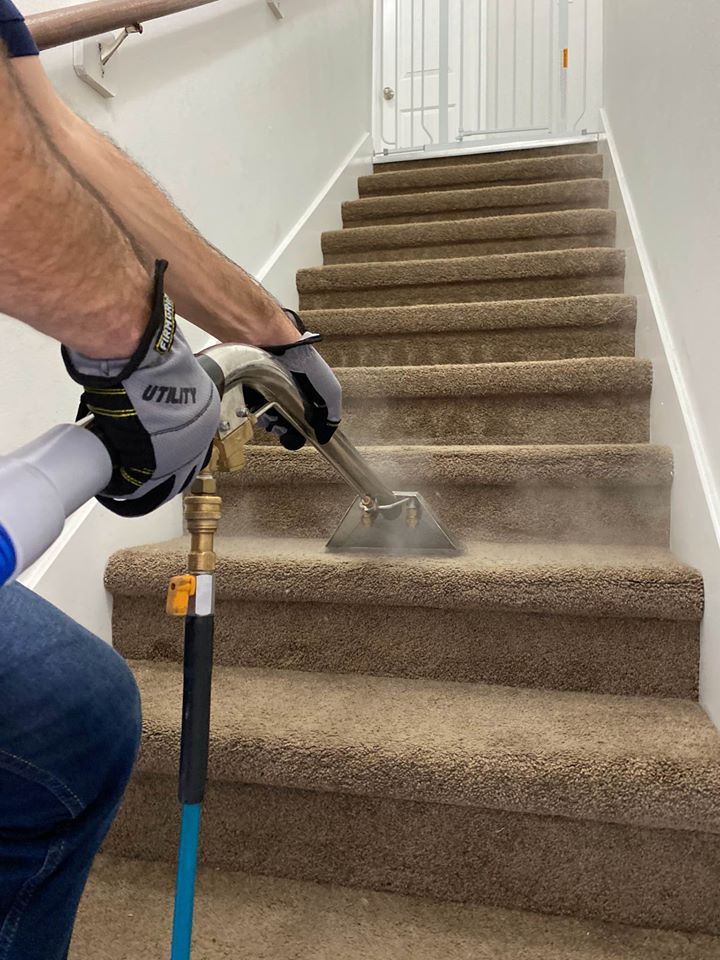
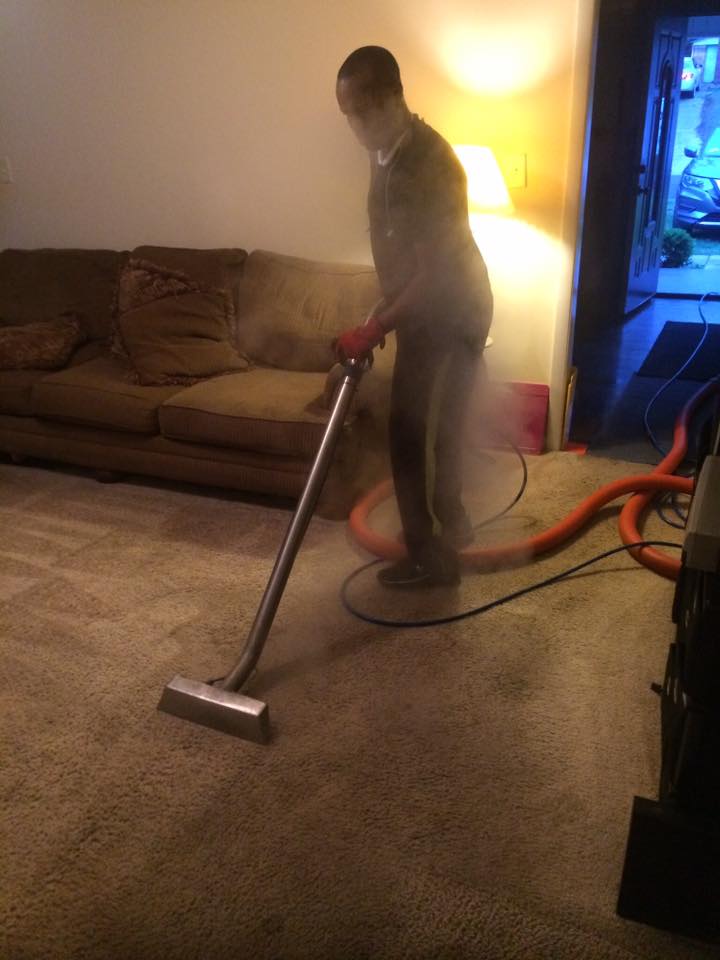
An overview of our commercial-grade equipment, including powerful truck-mounted extractors, air movers, and LGR dehumidifiers, which remove water and dry structures far more efficiently than DIY methods. Our truck-mounted extraction units generate suction far superior to portable wet vacuums, removing thousands of gallons of water in a fraction of the time.
Comprehensive Service from Start to Finish
Our process includes water removal, disposal of non-salvageable materials, structural drying, antimicrobial treatment, and monitoring to return your property to a safe, pre-loss condition. We handle every aspect of the restoration, from the initial emergency call through final inspection, so you can focus on recovery rather than managing multiple contractors.
Take Action Now to Protect Your Property
While quick DIY actions can help with minor leaks, significant water damage requires professional equipment and expertise to prevent long-term issues like mold in carpet and structural damage. The steps outlined in this guide provide a starting point for managing small-scale water incidents, but larger floods demand immediate professional intervention. Attempting to dry extensive water damage without proper tools and training risks incomplete drying, hidden mold growth, and costly repairs down the line.
For emergency water extraction and professional structural drying services, contact the IICRC-certified team at Terry’s Cleaning & Restoration 24/7 for an immediate response. Our technicians are available around the clock to respond to water emergencies, arriving promptly with the equipment and expertise needed to mitigate damage and begin the restoration process. Don’t wait for mold to develop or structural issues to worsen—call Terry’s Cleaning & Restoration and let our professionals restore your property to a safe, dry condition.
Recent Comments