

Does Baking Soda Kill Mold? What Works and What Doesn’t
Mold problems send many homeowners rushing to their pantries for baking soda, hoping this common household item will solve their fungal woes. Social media and DIY blogs overflow with claims about baking soda’s mold-fighting powers, but does science support these assertions? The reality is more complex than most people realize.
Mold poses serious threats to both your health and property value. Prolonged exposure can trigger respiratory issues, allergic reactions, and other health complications, while unchecked growth can cause structural damage that costs thousands to repair. Understanding which remedies actually work versus which merely provide temporary relief can save you time, money, and potential health risks.
This guide examines the science behind baking soda’s effectiveness against mold, explores its limitations, and provides evidence-based alternatives. You’ll learn when DIY solutions suffice and when professional intervention becomes necessary for complete mold elimination.
Understanding Mold: The Enemy You Can’t Ignore
What Mold Needs to Grow
Mold thrives in environments with three essential elements: moisture, darkness, and organic material to consume. High humidity levels above 60%, poor ventilation, and materials like wood, drywall, or fabric create perfect breeding conditions. Once these conditions align, mold spores can germinate within 24-48 hours and spread rapidly throughout your home.
Health and Home Hazards
Extended mold exposure triggers a range of health problems including asthma attacks, allergic reactions, respiratory infections, and skin irritation. Vulnerable populations such as children, elderly individuals, and those with compromised immune systems face heightened risks. Beyond health concerns, mold causes structural damage by breaking down organic materials, leading to wood rot, drywall deterioration, and decreased property values.
Spotting Mold Early
Early detection prevents minor mold issues from becoming major problems. Look for visible black, green, or white patches on surfaces, musty odors that persist despite cleaning, and water damage signs like staining or warping. Check high-risk areas including basements, bathrooms, under sinks, around windows, and in HVAC systems where moisture commonly accumulates.
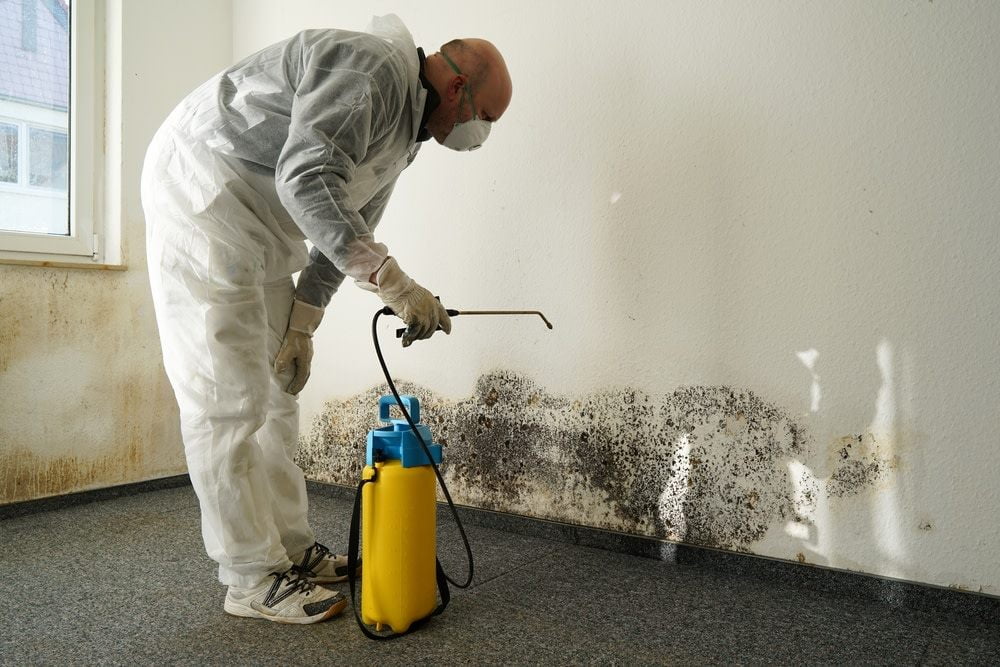
Baking Soda Mold Removal Service
Baking Soda 101: What Makes It a Popular Cleaning Agent
The Science Behind Baking Soda
Baking soda’s mild alkalinity (pH around 9) makes it effective for neutralizing acids and absorbing odors. Its abrasive properties help scrub away surface debris, while its chemical composition allows it to break down certain organic compounds. These characteristics explain why baking soda works well for general cleaning tasks and odor elimination.
Where It Works Best
Baking soda excels at removing surface-level stains, eliminating odors from fabrics and carpets, and cleaning non-porous materials like tile or glass. It serves as a gentle abrasive for scrubbing without scratching delicate surfaces. For minor cleaning tasks and deodorizing, baking soda provides a safe, non-toxic alternative to harsh chemicals.
Where It Falls Short
While baking soda can clean visible mold from hard surfaces, it cannot penetrate porous materials like drywall, wood, or fabric where mold roots deeply. Its alkaline nature may actually slow mold growth temporarily, but it lacks the antimicrobial properties needed to kill spores completely. This limitation means that treated areas often experience mold regrowth once conditions remain favorable.
Testing the Myth: Can Baking Soda Kill Mold?
How It Works in Practice
Baking soda mixed with water creates a cleaning paste that can remove surface mold from non-porous materials. The scrubbing action physically removes visible growth, while the alkaline environment may temporarily inhibit new spore development. However, this surface-level cleaning doesn’t address the root system that extends beneath visible growth.
The Limits of DIY Sprays
Popular DIY recipes combining baking soda with vinegar create impressive fizzing reactions that many interpret as powerful cleaning action. In reality, these two substances neutralize each other, reducing their individual effectiveness. The resulting solution provides minimal antimicrobial benefit beyond what plain water and scrubbing would achieve.
Why Results Vary
Baking soda’s effectiveness depends heavily on surface type, mold severity, and environmental conditions. Hard, non-porous surfaces may appear clean after treatment, while porous materials harbor hidden spores that regrow quickly. Severity matters too—light surface mold may respond better than established colonies with deep root systems.
Effective Natural Alternatives to Baking Soda
White Vinegar and Hydrogen Peroxide
White vinegar’s acetic acid content (typically 5%) can kill up to 82% of mold species by breaking down cellular structures. Hydrogen peroxide, with its oxidizing properties, penetrates porous surfaces better than baking soda and provides genuine antimicrobial action. Both substances offer superior mold-killing capabilities compared to alkaline solutions.
Tea Tree Oil and Essential Oils
Tea tree oil contains natural antifungal compounds that can inhibit mold growth when properly diluted. Other essential oils like clove, thyme, and oregano also demonstrate antimicrobial properties in laboratory studies. While these natural alternatives show promise, they work best for prevention and minor cleanup rather than established infestations.
When to Avoid Mixing Solutions
Never combine different cleaning products, as mixing can create dangerous chemical reactions. Hydrogen peroxide and vinegar should never be mixed, as they produce peracetic acid, a potentially harmful compound. Use cleaning agents individually and allow surfaces to dry completely between applications for maximum safety and effectiveness.
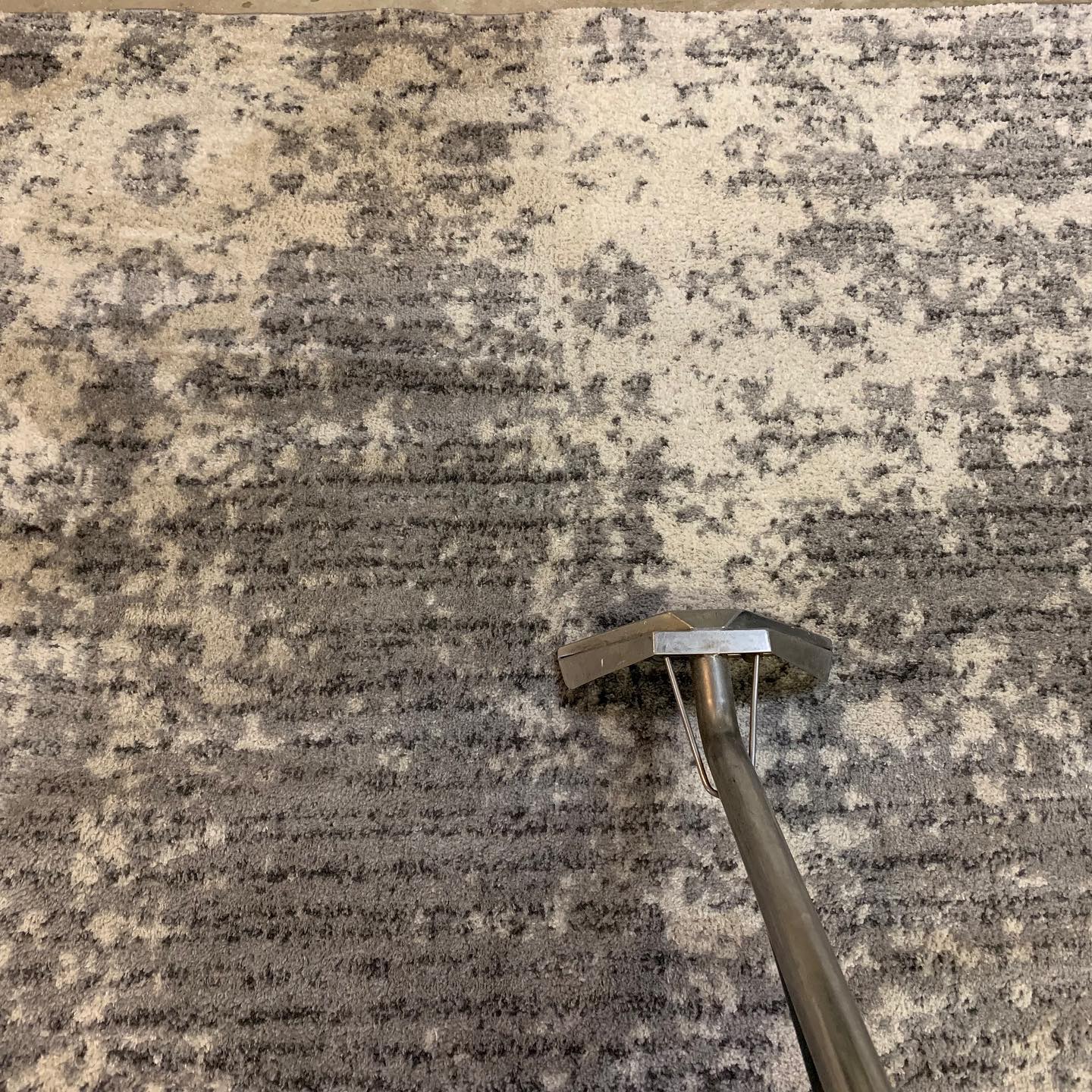
Baking Soda Mold Removal
Professional Mold Removal: The Terry’s Cleaning & Restoration Advantage
Advanced Detection and Containment
At Terry’s Cleaning & Restoration, our IICRC-certified technicians use professional-grade moisture meters, thermal imaging, and air sampling equipment to identify hidden mold that DIY methods miss. We establish proper containment barriers to prevent spore spread during remediation, protecting unaffected areas of your home from cross-contamination.
Safe and Thorough Remediation
Our team employs EPA-approved antimicrobial treatments that penetrate deep into porous materials to eliminate mold at its source. We use specialized equipment including HEPA air filtration systems and negative air pressure machines to capture airborne spores during the removal process. This comprehensive approach ensures complete elimination rather than temporary surface cleaning.
Restoring Air Quality and Comfort
Following mold removal, we focus on restoring your home’s air quality through professional deodorizing treatments and air purification systems. Our post-remediation verification process includes air quality testing to confirm that mold levels have returned to normal ranges, giving you confidence in your home’s safety.
Preventing Mold Before It Starts
Moisture Control Strategies
Maintain indoor humidity levels between 30-50% using dehumidifiers in basements and other prone areas. Ensure proper ventilation in bathrooms, kitchens, and laundry rooms by running exhaust fans during and after moisture-producing activities. Address plumbing leaks, roof leaks, and other water intrusion sources immediately to prevent mold-favorable conditions.
Regular Cleaning and Maintenance
Conduct monthly inspections of high-risk areas including basements, crawl spaces, attics, and areas around plumbing fixtures. Clean and dry any water-damaged materials within 24-48 hours to prevent mold establishment. Regular HVAC maintenance, including filter changes and duct cleaning, prevents mold spores from circulating throughout your home.
Using Mold-Resistant Materials
When renovating or repairing water-damaged areas, choose mold-resistant drywall, paint additives with antimicrobial properties, and moisture-resistant insulation materials. Seal concrete foundations and use vapor barriers in crawl spaces to prevent moisture infiltration. These preventive measures create long-term protection against mold development.
When Mold Keeps Coming Back: What It Really Means
Hidden Moisture Problems
Recurring mold growth typically indicates underlying moisture issues that weren’t addressed during initial cleanup efforts. Hidden leaks behind walls, condensation in HVAC systems, or inadequate ventilation create persistent conditions that support mold regrowth. These problems require professional investigation to identify and resolve completely.
Improper DIY Cleanup
Incomplete mold removal leaves spores and root systems intact, leading to rapid regrowth once favorable conditions return. DIY methods often fail to address contaminated materials behind visible surfaces or properly treat affected HVAC systems. Without proper containment, cleanup efforts may actually spread spores to previously unaffected areas.
Why Professional Help Becomes Non-Negotiable
Persistent mold problems signal that the issue extends beyond surface-level contamination into structural materials or building systems. Professional remediation becomes essential when DIY efforts fail repeatedly, when mold covers large areas, or when health symptoms persist despite cleaning attempts. Expert intervention can identify and resolve root causes that homeowners cannot detect.
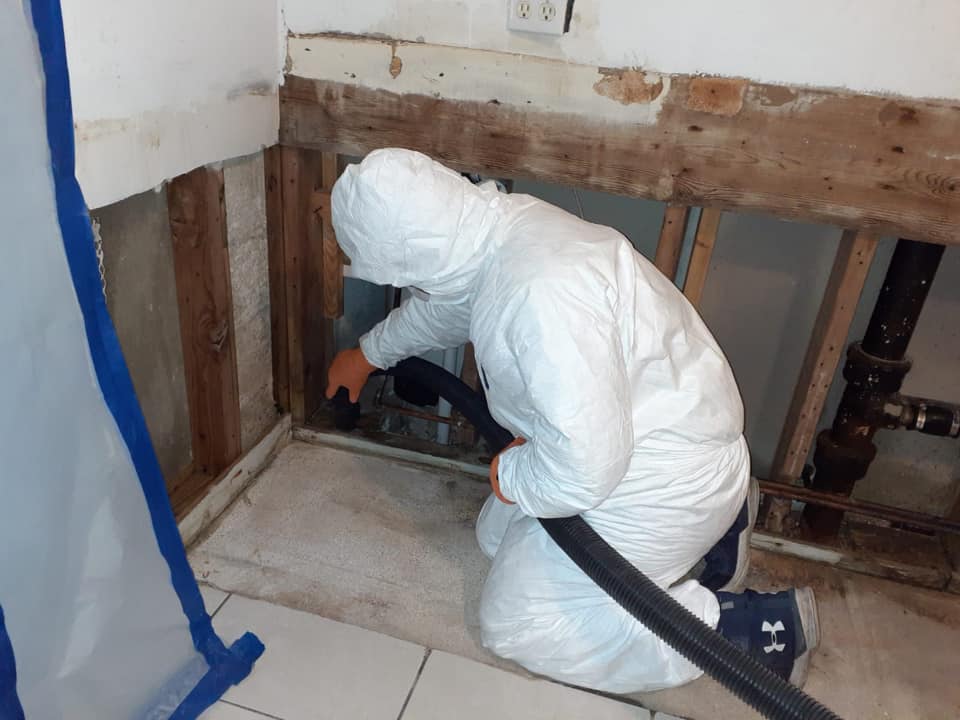
Baking Soda Mold Elimination
Long-Term Mold Management for a Healthier Home
Routine Inspections
Schedule seasonal mold inspections, particularly before and after high-humidity periods or severe weather events. Pay special attention to basements, crawl spaces, and areas with previous water damage. Early detection allows for prompt treatment before minor issues become major problems requiring extensive remediation.
Air Circulation and Filtration
Install and maintain high-quality HEPA filtration systems to capture airborne mold spores before they settle and germinate. Ensure adequate air circulation throughout your home, particularly in areas prone to moisture accumulation. Regular HVAC system maintenance prevents mold growth within ductwork and air handling units.
Partnering with Professionals
Establish a relationship with certified mold remediation professionals like Terry’s Cleaning & Restoration for periodic evaluations and prompt response when issues arise. Professional assessments can identify potential problems before they become visible, saving time and money through preventive intervention. Our 24-hour restoration services ensure immediate response when water damage or mold issues threaten your home.
The Truth About Baking Soda and Mold Control
Baking soda serves a valuable purpose in general household cleaning, but it cannot deliver the comprehensive mold elimination that many DIY enthusiasts expect. While it may temporarily clean surface mold and reduce odors, it lacks the antimicrobial power needed to kill spores and prevent regrowth in porous materials.
Understanding mold’s biology and growth requirements empowers homeowners to choose appropriate solutions for their specific situations. Minor surface mold on non-porous materials may respond to natural cleaning methods, while established infestations require professional intervention with specialized equipment and EPA-approved treatments.
With proper prevention strategies, early detection practices, and professional support when needed, you can maintain a healthy, mold-free home environment. Don’t let mold compromise your family’s health or your property’s value—take action based on science, not myths, to protect what matters most.
Recent Comments