

How to Clean Dog Pee Out of Carpet: Home Remedies That Actually Work
Pet accidents happen to even the most well-trained dogs, and when they do, your carpet often bears the brunt of the damage. Whether your furry friend had an unexpected mishap or is still learning house rules, acting quickly can mean the difference between a minor cleanup and permanent carpet damage. The good news is that with the right techniques and home remedies, you can effectively remove both stains and odors from your carpet.
Dog urine presents unique challenges because it contains compounds that bond with carpet fibers and padding, creating persistent odors that can resurface weeks or months later. However, understanding the science behind these stains and using proven cleaning methods can restore your carpet’s freshness and prevent long-term damage.
This comprehensive guide will walk you through effective home remedies, professional techniques, and prevention strategies for dog pee carpet cleaning . From immediate response steps to knowing when professional help is necessary, you’ll learn everything needed to tackle pet accidents with confidence.
Understanding the Science Behind Dog Urine
What’s in Dog Urine?
Dog urine contains several compounds that make it particularly challenging to clean from carpets. The primary culprits are ammonia, uric acid crystals, and bacteria that multiply in warm, moist environments. Ammonia creates the sharp, pungent smell most people associate with pet accidents, while uric acid crystals form bonds with carpet fibers that can reactivate when exposed to humidity or moisture.
Why Carpets Trap Odor
Carpet construction makes it especially vulnerable to urine penetration. The porous nature of carpet fibers allows liquid to seep deep into the backing and padding underneath, where it spreads laterally and creates a much larger contaminated area than what’s visible on the surface.
Why It’s Important to Act Quickly
Time is your biggest enemy when dealing with pet accidents. Fresh urine is easier to extract and neutralize because the compounds haven’t had time to crystallize and bond permanently with carpet materials. Delayed cleaning allows uric acid to set, ammonia levels to concentrate, and bacteria to multiply exponentially, making complete odor removal significantly more difficult and sometimes impossible with home remedies alone.
Clean Dog Pee Out of Carpet
The First Step: Blot, Don’t Rub
Why Blotting Works Better Than Scrubbing
The instinct to scrub at a urine stain can actually worsen the problem by driving liquid deeper into carpet fibers and spreading the contaminated area. Blotting applies gentle, downward pressure that lifts moisture upward into absorbent materials without forcing it further into the carpet structure.
Tools You Should Always Have Ready
Successful pet accident cleanup requires having the right materials immediately available. Keep paper towels, clean microfiber cloths, rubber gloves, and plastic bags easily accessible in your home. Having these supplies ready allows you to respond quickly to accidents, which significantly improves your chances of complete stain and odor removal.
The Right Way to Blot
Start by removing any solid waste, then place several layers of paper towels over the affected area. Apply firm, steady pressure for 30 seconds, then lift the towels straight up. Repeat this process with fresh towels until no more moisture transfers to the paper. Work from the outside edges toward the center to prevent spreading the stain, and avoid any wiping or circular motions that can damage carpet fibers.
Vinegar and Baking Soda: The Dynamic Duo
How to Mix and Apply Safely
Create an effective carpet cleaning solution by mixing one part white vinegar with one part water in a spray bottle. After blotting up excess moisture, spray the area liberally with this solution and let it sit for 5-10 minutes. The acidic nature of vinegar helps break down alkaline urine compounds while the water dilutes concentrated waste materials for easier removal.
Why This Combo Works
Vinegar’s acetic acid neutralizes the ammonia in dog urine, eliminating much of the sharp odor associated with pet accidents. When followed by baking soda, which has alkaline properties, a mild chemical reaction occurs that helps lift remaining particles from carpet fibers.
Common Mistakes to Avoid
Never mix vinegar and baking soda simultaneously in a container, as the reaction will neutralize both ingredients before they can work on your carpet. Always apply vinegar first, blot thoroughly, then sprinkle baking soda over the area and let it sit for several hours before vacuuming. Using too much vinegar can leave a residual smell, so stick to the recommended 1:1 ratio with water.
Enzyme Cleaners: When Home Remedies Need a Boost
What Are Enzyme Cleaners?
Enzyme cleaners contain specialized proteins that break down the organic compounds in pet urine at the molecular level. These biological catalysts literally digest the bacteria, uric acid crystals, and other waste components that cause persistent odors. Unlike traditional cleaners that mask smells, enzyme formulas eliminate the source of odors completely when used properly.
When to Use Them
Enzyme cleaners become necessary when vinegar and baking soda treatments don’t eliminate odors completely, particularly for older stains or repeated accidents in the same location. They’re also essential for treating urine that has penetrated into carpet padding or subflooring, where home remedies may not reach effectively.
DIY vs. Store-Bought Options
While you can create enzyme solutions using natural ingredients like citrus peels and brown sugar fermented over several weeks, commercial enzyme cleaners offer more consistent results and immediate availability. Store-bought options are specifically formulated for pet waste and contain guaranteed concentrations of active enzymes that ensure effective odor elimination.
Dog Pee Carpet Cleaning
Deep Cleaning With Terry’s Cleaning & Restoration
Why Call in the Pros
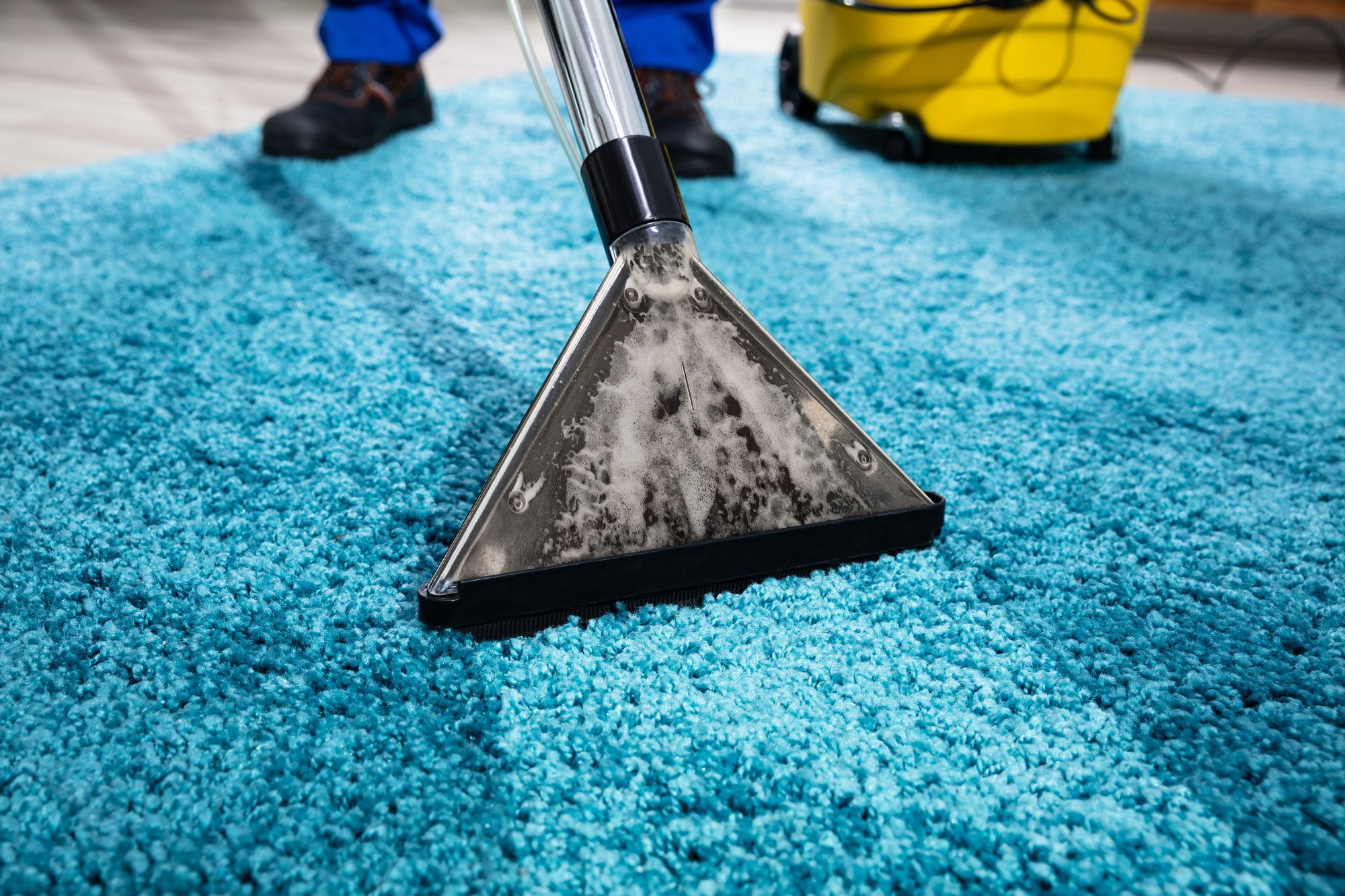
Professional carpet cleaning companies like Terry’s Cleaning & Restoration possess specialized equipment that extracts moisture and contaminants from deep within carpet padding where home methods can’t reach. Their truck-mounted systems generate powerful suction and use heated cleaning solutions that penetrate completely through carpet layers, ensuring thorough decontamination of the affected area.
Terry’s Proven Pet Odor Removal Method
At Terry’s Cleaning & Restoration, our IICRC-certified technicians use a multi-step process that combines enzyme treatment, deep extraction, and deodorization techniques specifically designed for pet waste removal. Our truck-mounted equipment delivers superior cleaning power while our pet-safe cleaning agents ensure your family’s health and safety throughout the restoration process.
When It’s Time to Get Professional Help
Professional carpet cleaners becomes necessary when home treatments fail to eliminate odors completely, when accidents have occurred repeatedly in the same location, or when urine has penetrated through carpet into subflooring materials. Signs that indicate professional help is needed include persistent ammonia smells, visible discoloration that won’t lift, or your pet continuing to mark the same spot despite cleaning efforts.
Drying Techniques That Prevent Mold and Odor
Why Drying Is Half the Battle
Proper drying prevents secondary problems like mold growth and bacterial multiplication that can create worse odors than the original accident. Moisture trapped in carpet padding creates an anaerobic environment where harmful bacteria thrive, producing sulfur compounds that smell far worse than ammonia and can pose health risks to your family.
Speed-Drying at Home
Accelerate the drying process by placing fans directly over the cleaned area, opening windows for cross-ventilation, and running dehumidifiers to remove moisture from the air. Point fans downward to create airflow across the carpet surface, and consider using multiple smaller fans rather than one large unit for better coverage of the affected area.
How to Know When It’s Fully Dry
Complete drying typically takes 24-48 hours depending on humidity levels and carpet thickness. The area should feel completely dry to the touch and return to the same temperature as surrounding carpet. Any cool spots indicate residual moisture that needs additional drying time to prevent bacterial growth and odor recurrence.
Preventing Future Accidents and Odors
Training Tips for Persistent Pups
Consistent bathroom scheduling and positive reinforcement help prevent future accidents. Take your dog outside immediately after meals, upon waking, and every 2-3 hours during training. Reward successful outdoor bathroom trips with treats and praise, while avoiding punishment for indoor accidents that can increase anxiety and worsen the problem.
Protective Barriers and Sprays
Apply carpet protector treatments that create barriers against liquid penetration, making future cleanup easier and more effective. Pet-safe enzyme sprays can be used weekly on previously soiled areas to break down any residual odor molecules that might attract your dog back to the same spot for repeat accidents.
Setting Up a Pet-Friendly Space
Designate specific areas with washable rugs or easy-clean flooring where your pet spends most of their time. This proactive approach minimizes potential carpet damage while providing comfortable spaces for your dog. Consider waterproof carpet pads in high-traffic pet areas for additional protection against future accidents.
Dog Pee Carpet Cleaning Service
When Cleaning Isn’t Enough: Knowing When to Replace Carpet
How to Tell When It’s Beyond Saving
Carpet replacement becomes necessary when padding has become saturated with urine, subflooring shows signs of damage or persistent odor, or visible staining and discoloration won’t respond to professional cleaning.
Replacement Options for Pet Owners
Consider carpets with built-in stain resistance and antimicrobial treatments when replacing pet-damaged flooring. Low-pile carpets are easier to clean than thick, plush styles, while synthetic fibers generally resist staining better than natural materials.
Investing in Long-Term Cleanliness
Professional consultation from companies like Terry’s Cleaning & Restoration can help determine whether restoration or replacement offers better value for your specific situation. Our expertise in pet damage assessment ensures you make informed decisions that protect your investment while maintaining a healthy home environment for your family and pets.
Fresh Floors, Happy Paws
Acting quickly when pet accidents occur makes the difference between minor cleanup and major carpet damage. The combination of immediate blotting, effective home remedies, and professional intervention when necessary can restore your carpet’s freshness and extend its useful life significantly.
Remember that successful pet accident management requires balancing DIY techniques with professional expertise. While vinegar, baking soda, and enzyme cleaners handle many situations effectively, persistent odors or repeated accidents often require the advanced equipment and specialized knowledge that certified restoration professionals provide.
An accident’s an accident, it’s not a devastation. With the right approach and professional support when needed, you can maintain a clean, healthy home environment where both your family and your furry friends can thrive comfortably together.