

Mold in Carpet After Water Damage: Immediate Solutions to Protect Your Home
A burst pipe, a leaky roof, or a sudden storm—water damage arrives unannounced and brings immediate chaos. Your first instinct is likely to grab towels, move furniture, and try to salvage what you can. While the visible water is the immediate enemy, a silent threat begins to form almost immediately after the initial soak: mold.
When carpets get wet, they become the perfect breeding ground for fungal growth. It doesn’t take weeks for this problem to start; the biological clock begins ticking the moment moisture seeps into the fibers. Ignoring wet carpet or assuming it will “dry out on its own” is a gamble that often results in significant health risks and expensive structural repairs.
Understanding how to react in the first 24 to 48 hours is critical. This guide covers why carpets are so susceptible to mold growth, how to spot the early warning signs, and the specific steps you need to take to save your flooring and protect your home.
Why Mold Thrives in Wet Carpets
To understand the urgency of drying wet carpet, you have to look at the anatomy of the flooring itself. Carpets act as giant filters for your home. Over time, they trap dust, skin cells, pet dander, and dirt deep within their fibers. In a dry state, this organic matter is harmless. However, when you introduce water, that debris becomes a nutrient-rich food source for mold spores.
The Problem with Padding and Subfloors
The carpet surface is actually the easiest part to dry. The real danger lies underneath. Most residential carpeting sits on top of a foam pad, which rests on a subfloor (usually wood or concrete).
The padding acts like a dense sponge. It absorbs water instantly and holds onto it stubbornly. Even if the surface fibers of your carpet feel dry to the touch, the padding underneath can remain saturated for days or even weeks. This trapped moisture creates a humid micro-climate between the floor and the carpet backing—an ideal environment for mold colonies to establish themselves.
The 24-48 Hour Timeline
Mold spores are microscopic and naturally present in the air around us. They only become a problem when they find moisture and food. According to the EPA and restoration experts, mold can begin to grow on a damp surface within 24 to 48 hours.
Once a colony establishes itself, it begins to release more spores into the air, potentially spreading to drywall, furniture, and HVAC systems. The window to prevent this is incredibly short, which is why immediate action is non-negotiable.
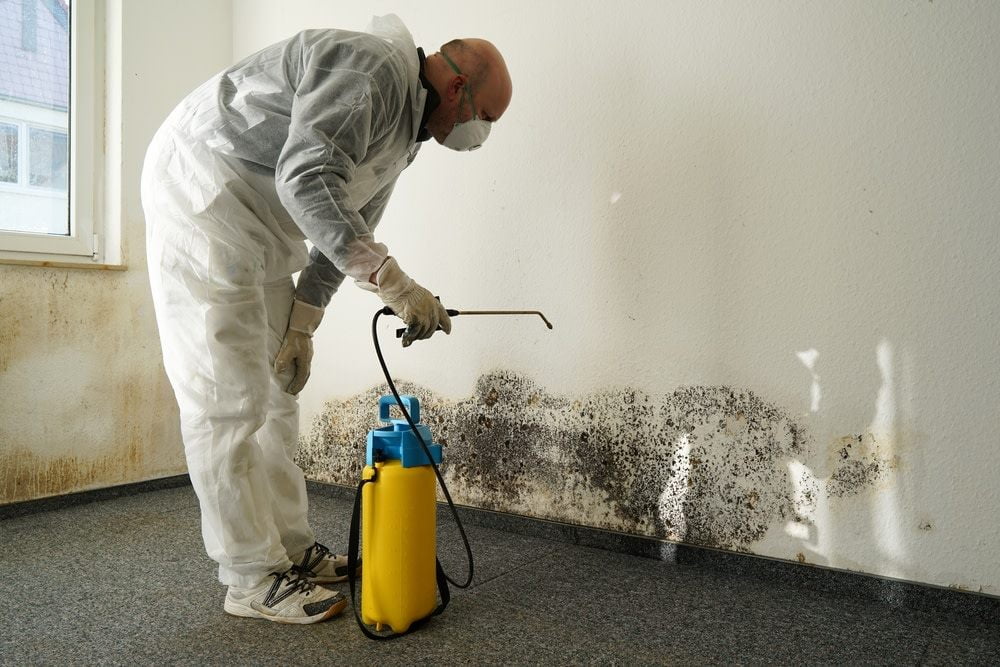
Mold in Carpet After Water Damage
Early Warning Signs of Mold in Carpets
Because mold often starts growing underneath the carpet or in the padding, you might not see it immediately. However, your senses can pick up on subtle cues that indicate a colony is forming.
Visual Indicators
While mold often hides, it eventually makes its presence known. Look closely at the affected area for:
- Discoloration: This isn’t always the stereotypical fuzzy green patches. Mold can manifest as white, black, yellow, or pinkish stains.
- Dark Spots: Unexplained shadowing on the carpet, particularly near baseboards or in corners where air circulation is poor.
- Warping: If the carpet seems to be lifting, bubbling, or separating from the floor, it indicates the glues or backing have been compromised by prolonged moisture, likely accompanied by bacterial or fungal growth.
Odor Clues
The nose often detects mold before the eyes do. If you walk into the room and smell a distinct, musty odor, you have a problem. It is often described as “earthy,” smelling like wet socks, rotting wood, or stale air. If you clean the area and the smell returns within a day, the source is likely deep within the padding.
Health Symptoms
Sometimes, the inhabitants of the home act as the alarm system. Mold spores are potent allergens and irritants. If family members suddenly experience the following symptoms only when inside the house, consider mold as a culprit:
- Persistent sneezing or coughing
- Watery, red, or itchy eyes
- Runny nose or congestion
- Skin irritation or rashes
- Exacerbation of asthma symptoms
Immediate Steps to Take After Water Damage
Time is your enemy when dealing with water damage. If you discover a leak or flood, follow these steps immediately to mitigate the damage before professionals arrive.
1. Stop the Water and Ensure Safety
Before you touch anything, ensure the area is safe. If the water level is high enough to reach electrical outlets, do not enter the room until the power is turned off at the breaker. Once safe, stop the source of the water if possible (e.g., turn off the main water valve).
2. Remove Standing Water
The less water that soaks into the padding, the better. If the water is clean (from a pipe, not a sewer backup), use a wet/dry vacuum to extract as much liquid as possible. If you don’t have one, heavy towels can help soak up surface moisture, but they are less effective for deep extraction.
3. Ventilate the Area
Mold loves stagnant, humid air. You need to get the air moving to aid evaporation.
- Open Windows: If the humidity outside is lower than inside, open windows to create a cross-breeze.
- Use Fans: Set up box fans or oscillating fans to blow air across the wet carpet.
- Dehumidify: If you have a portable dehumidifier, run it on the highest setting to pull moisture out of the air.
4. Clear the Room
Moisture can wick up into furniture legs, causing secondary damage to your upholstery and wood items. Remove all furniture, rugs, and boxes from the wet carpet. If a piece of furniture is too heavy to move, place aluminum foil or wood blocks under the legs to separate them from the wet floor.
5. Call Terry’s Cleaning & Restoration
For anything more than a minor spill, professional assessment is crucial. Contacting a certified restoration team immediately ensures that deep extraction begins before the 48-hour mold window closes.
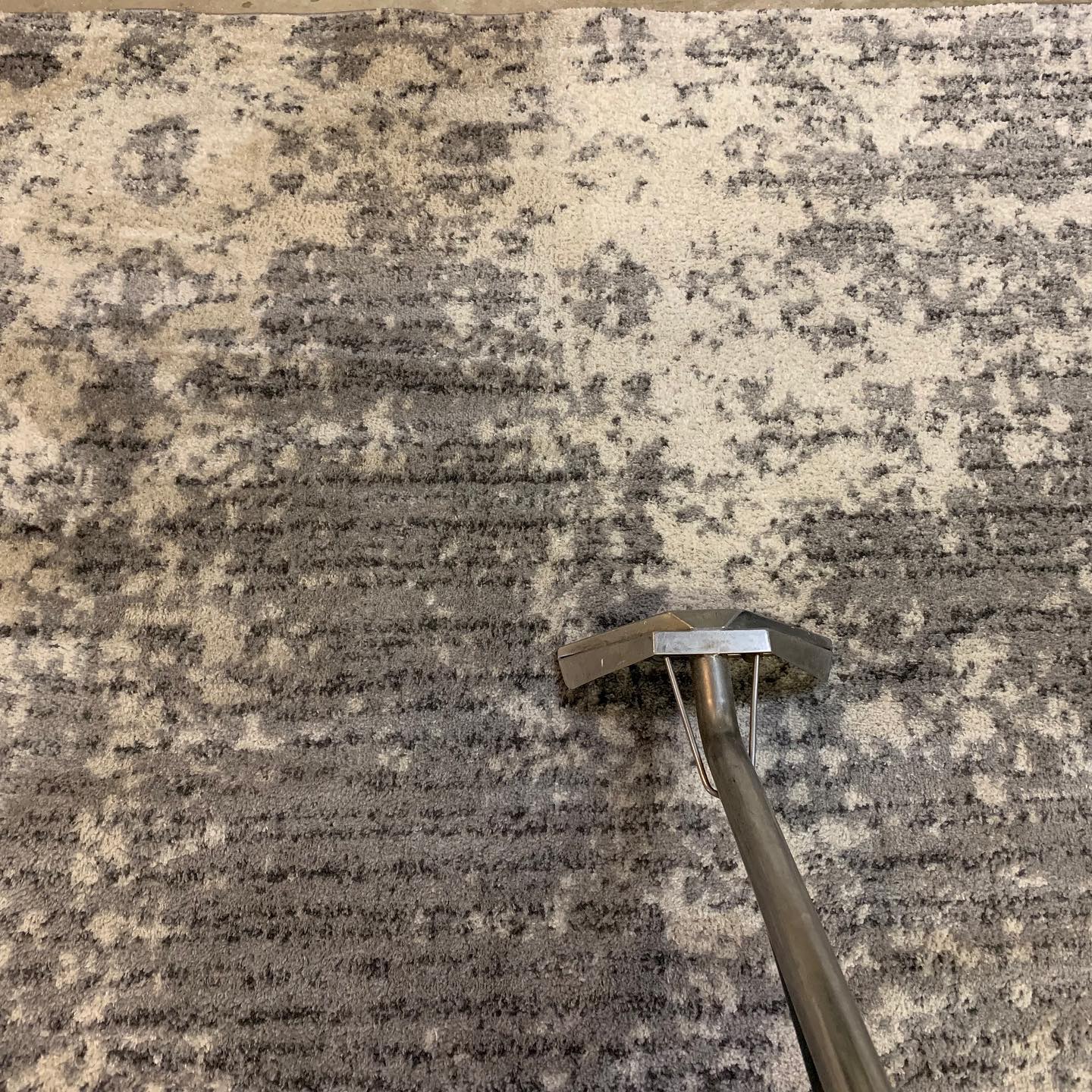
Mold in Carpet After Water Damage Service
DIY Mold Prevention Tips for Wet Carpets
If the water damage is minor—think a spilled bucket of water rather than a flooded basement—you may be able to handle it yourself with some household techniques.
Blotting and Pressure Drying
For small spills, do not rub the carpet, as this can damage the fibers and push water deeper. Instead, place a thick layer of white towels over the wet spot and weigh them down with a heavy object (like a stack of books) for several hours. This pressure helps wick moisture up from the padding.
Baking Soda and Vinegar
These common pantry items can help fight early mold growth and odors on small spots.
- Vinegar: White distilled vinegar is mildly acidic and can kill surface mold species. Lightly mist the area (don’t soak it) and let it sit.
- Baking Soda: Once the carpet is dry, sprinkle baking soda over the area. Let it sit overnight to absorb lingering moisture and neutralize odors, then vacuum it up thoroughly.
When to Rent Equipment
If the wet area is larger than a few square feet but doesn’t warrant a full claim, consider renting a commercial-grade carpet blower or dehumidifier from a hardware store. Standard house fans often lack the power to force air into the carpet pile effectively.
Why Professional Restoration is Essential
While DIY methods work for spills, they are rarely sufficient for significant water damage. The main reason homeowners struggle with mold returning after a flood is incomplete drying.
The Risk of Hidden Moisture
You might get the carpet dry, but what about the floorboards underneath? Or the drywall behind the baseboards? Water migrates to the lowest point and wicks into porous materials. Professional restorers use moisture meters and thermal imaging cameras to detect pockets of moisture invisible to the naked eye.
Advanced Tools and Techniques
Terry’s Cleaning & Restoration utilizes industrial-grade equipment that goes far beyond a shop vac.
- Truck-Mounted Extraction: Powerful suction removes the vast majority of physical water from both carpet and padding.
- Structural Drying: Professionals use high-velocity air movers and industrial dehumidifiers to lower the relative humidity of the entire room, forcing moisture out of the structural elements of your home.
- Antimicrobials: We apply professional-grade treatments that inhibit mold growth without damaging your carpet fibers.
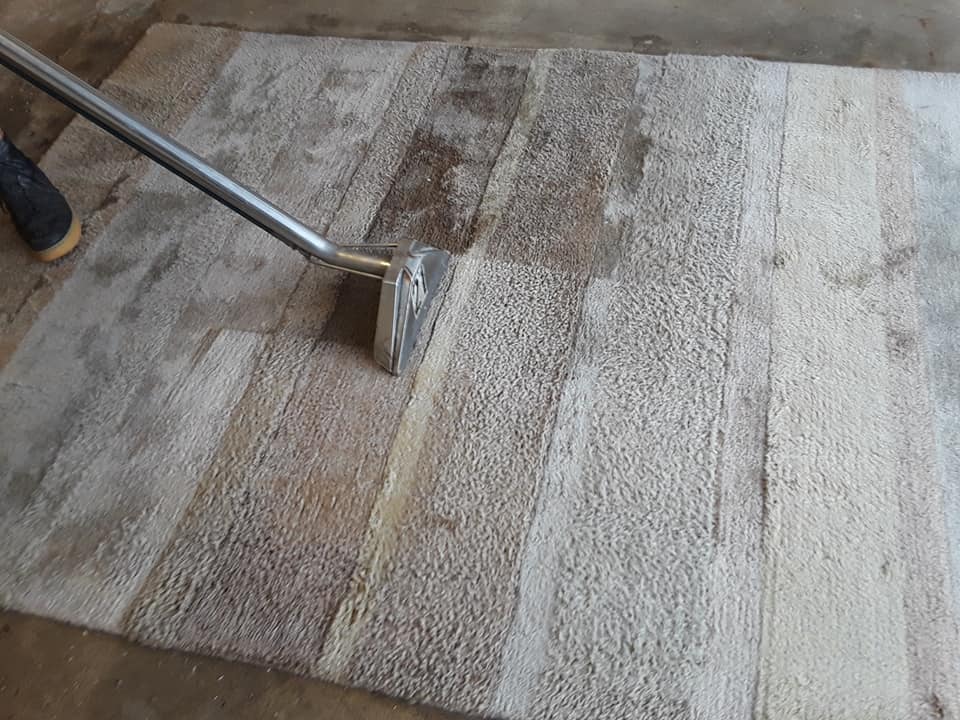
Carpet Mold Cleaning Service
The Long-Term Risks of Ignoring Mold in Carpets
Choosing to ignore a damp carpet or assuming a “mostly dry” floor is safe can lead to severe consequences down the road.
Indoor Air Quality
A moldy carpet acts as a bellows. Every time you walk across it, you release millions of spores into the air. This dramatically lowers the indoor air quality of your home, potentially causing chronic respiratory issues for your family.
Structural Integrity
If the mold and moisture in the carpet padding are left unchecked, they will rot the subfloor. Wooden subfloors can weaken, warp, and eventually rot through, requiring invasive and expensive construction work to replace.
Financial Loss
Mold is a major red flag for real estate transactions. Unresolved water damage and mold issues can significantly devalue your property. Furthermore, the longer you wait, the more expensive the remediation becomes. What could have been a simple water extraction job can turn into a full mold remediation project involving tear-out and reconstruction.
How Terry’s Cleaning & Restoration Can Help
When water invades your home, you need a partner who understands both the immediate urgency of water removal and the long-term science of mold prevention. Terry’s Cleaning & Restoration provides comprehensive services to return your home to safety.
- Emergency Water Extraction: We arrive quickly to remove standing water, halting the damage in its tracks.
- Carpet and Pad Restoration: Whenever possible, we salvage your existing flooring using deep cleaning and drying techniques. If the padding is compromised, we can replace it while saving the carpet.
- Mold Remediation: If mold has already begun to grow, our team is trained in safe containment and removal protocols to ensure it doesn’t spread to the rest of your home.
Protect Your Home Today
Water damage is stressful, but it doesn’t have to be a disaster. The key to saving your carpet and preventing a mold nightmare is speed. Don’t wait for the musty smell to appear.
If you are dealing with wet carpets, reach out to Terry’s Cleaning & Restoration immediately. Our team has the expertise and equipment to dry your home thoroughly and keep your family safe.
Terry’s Carpet Cleaning – Cleveland
https://www.google.com/maps?cid=3599337546590963590
1916 Hemlock Ct, Goshen, IN 46528
(574) 533-5626
https://terryscarpetcleaning.com/